


Есть ли в морских буях трекеры?
12/01/2025Пневматическое крыло Код ТН ВЭД
12/03/2025Что такое контейнерный причал?
Контейнерный причал - это специальное место в порту, где контейнеровозы привязываются, загружают контейнеры и разгружают их. Это одна из важнейших составляющих современной портовой деятельности. Без контейнерных причалов мировая торговля замедлилась бы, а суда стали бы дольше простаивать в море. В этой статье мы расскажем, что такое контейнерный причал, как он работает и почему имеет значение для мировой цепочки поставок.
1. Что такое контейнерный причал?
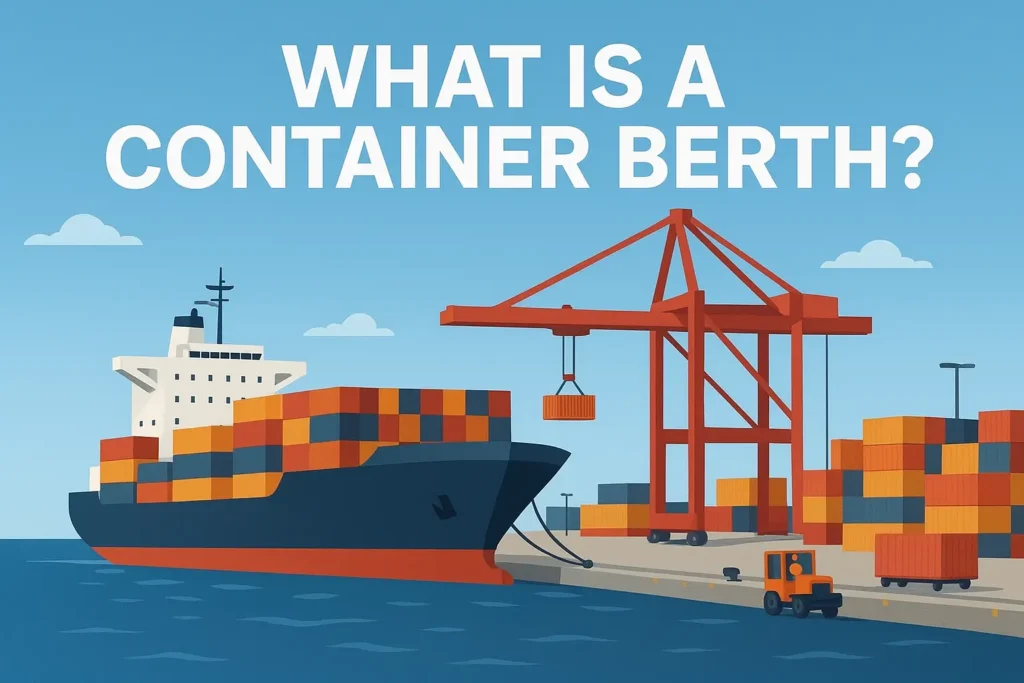
A контейнерный причал это участок причала, предназначенный для обработки контейнеровозов. Корабли подъезжают к этому участку, чтобы краны и рабочие могли перемещать контейнеры между кораблем и верфью порта.
Он отличается от других типов причалов:
- Причалы для наливных грузов перегружать уголь, песок, зерно и подобные сыпучие грузы.
- Нефтяные причалы перерабатывать сырую нефть и топливо.
- Причалы для ро-ро обрабатывать транспортные средства.
Контейнерный причал создан для быстрой, безопасной и эффективной обработки контейнеров. Обычно он работает с TEU (двадцатифутовым эквивалентом) в качестве стандартного измерения объема контейнера.
2. Основные части контейнерного причала
Хорошо спроектированное спальное место включает в себя несколько ключевых частей:
Структура набережной
Это край порта, где стоит судно. Она включает в себя крылья, кнехты и прочные бетонные или стальные стены.
Глубина воды
Причал должен быть достаточно глубоким для осадки судна. Более крупным судам требуется большая глубина, часто более 15 метров.
Краны для перевозки грузов с судна на берег (краны STS)
Эти большие краны поднимают контейнеры на судно и с него. Они являются самыми важными машинами на контейнерном причале.
Контейнерная площадка
После разгрузки контейнеры отправляются на склад. Там контейнеры ждут, пока их заберут грузовики или поезда.
Внутренние автомобильные и железные дороги
Грузовики, прицепы, а иногда и железнодорожные пути помогают быстро перемещать контейнеры.
Вспомогательные сооружения
Освещение, системы безопасности, электроснабжение, офисы и операционная система терминала (TOS) обеспечивают бесперебойную работу.
3. Как проектируется контейнерный причал
Правильный выбор дизайна помогает порту безопасно и эффективно обрабатывать суда. Проектировщики учитывают:
Длина причала
Она должна соответствовать размерам судов. Более длинным судам требуется большая длина причала. Некоторые порты планируют одновременное пребывание двух судов.
Глубина воды и приливы
Планировщики проверяют приливы, волны и состояние морского дна, чтобы обеспечить безопасную стыковку.
Грузоподъемность крана
Порты сами решают, сколько кранов им нужно. Большее количество кранов означает более быструю работу, но и более высокую стоимость.
Дворовое пространство
Для оживленного порта нужен большой склад. Размер зависит от пропускной способности и времени хранения.
Внутренний транспорт
Дороги и железнодорожные пути должны быть широкими и ровными, чтобы избежать пробок в порту.
Энергетика и окружающая среда
Многие новые причалы оснащены береговым электропитанием, что позволяет сократить выбросы в атмосферу во время стоянки судна.
4. Как работает контейнерный причал каждый день
Ежедневный процесс прост, но очень скоординирован.
1. Прибытие корабля
Лоцман направляет судно к причалу. При необходимости на помощь приходят буксиры.
2. Швартовка
Корабль привязывается канатами к кнехтам, а крылья защищают корпус.
3. Погрузка и разгрузка
Краны STS перемещают контейнеры между судном и грузовиками или оборудованием на верфи.
4. Обработка двора
RTG, RMG или ричстакеры укладывают контейнеры в штабеля.
5. Отъезд
Когда погрузка завершена и судно сбалансировано, оно покидает порт и продолжает свой путь.
При планировании причалов также используются “окна причала”, чтобы суда точно знали, когда они могут прибыть и начать работу.
5. Ключевые показатели эффективности
Эффективность работы контейнерного причала зависит от нескольких KPI:
- Пропускная способность причала (TEU/год): Сколько контейнеров проходит через него.
- Перемещение крана в час (MPH): Как работают быстрые краны.
- Занятость спального места: Как часто причал бывает занят.
- Время ожидания: Сколько времени корабли ждут перед стыковкой.
- Время пребывания: Как долго контейнеры остаются во дворе.
Порты стараются улучшить эти KPI, чтобы сократить задержки и увеличить доходы.
6. Общие проблемы на контейнерных причалах
Даже самые лучшие порты сталкиваются с проблемами:
Мега-корабли
Современные суда перевозят более 20 000 TEU. Им требуется более глубокая вода, более длинные причалы и больше кранов.
Перегруженность
Если одновременно прибывает слишком много контейнеров, склады переполняются, а грузовики задерживаются.
Поломки оборудования
Краны, грузовики и машины, работающие на дворовых территориях, нуждаются в постоянном обслуживании.
Давление окружающей среды
Порты должны управлять шумом, выбросами топлива и отходами.
Риски безопасности
Тяжелое оборудование, высокие штабеля и движущиеся грузовики требуют соблюдения строгих правил безопасности и обучения.
7. Будущие тенденции и инновации
Технологии быстро меняют контейнерные причалы.
Автоматизация
Автоматизированные краны, грузовики без водителя и автоматизация ворот становятся обычным явлением.
Умное планирование
ИИ помогает портам планировать окна причалов, прогнозировать загруженность верфей и управлять ресурсами.
Технология "Зеленый порт
Береговое питание, электрические грузовики и более чистое топливо сокращают выбросы.
Улучшенная связь
Больше портов строят железнодорожные терминалы для обеспечения быстрых внутренних перевозок.
Благодаря этим тенденциям контейнерные причалы становятся быстрее, чище и надежнее.
8. Заключение
Контейнерные причалы необходимы для мировой торговли. Они позволяют судам быстро и безопасно загружать и разгружать контейнеры. Хорошо спроектированный причал повышает эффективность работы порта, сокращает задержки и поддерживает всю цепочку поставок. По мере увеличения размеров судов и роста торговли порты должны постоянно совершенствовать свои причалы за счет более эффективного планирования, новых технологий и более разумных операций.
ЧАСТО ЗАДАВАЕМЫЕ ВОПРОСЫ
1. Каково назначение контейнерного причала?
Это безопасное место для стоянки контейнеровозов, погрузки и разгрузки контейнеров.
2. Какой глубины должен быть контейнерный причал?
Это зависит от судна. Большим судам часто требуется 14-16 метров воды или больше.
3. Сколько контейнеров может обработать причал за день?
Это зависит от скорости крана, количества кранов и вместимости склада.
4. Что вызывает перегруженность причалов?
Большие корабли, медленное перемещение по верфям, проблемы с оборудованием, нехватка железнодорожных и грузовых мощностей.
5. Почему важно береговое питание?
Это помогает сократить выбросы, когда суда подключаются к электросети порта вместо использования своих двигателей.