


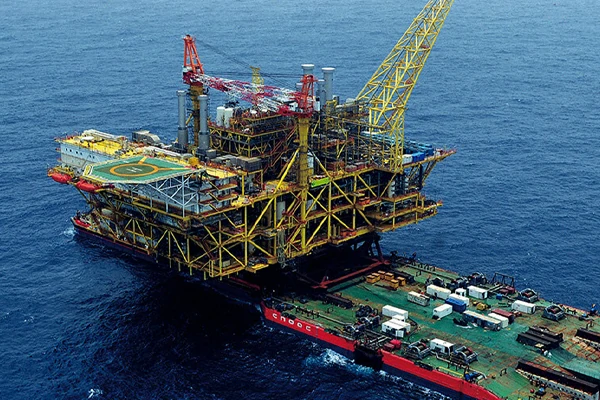
Benefits of Inflatable Fenders: Flexibility Meets Efficiency
04/21/2025Ship-to-Ship (STS) Transfer Operations
04/23/2025Types of Marine Fenders: Choosing the Right Protection

Marine fenders are critical for protecting vessels and docks from collisions. Here’s a breakdown of common types:
1. Inflatable Fenders
- Material: Rubber or thermoplastic polyurethane (TPU).
- Pros: Lightweight, portable, adjustable energy absorption.
- Cons: Less durable in extreme conditions.
- Use: Temporary berths, small boats, eco-friendly ports.
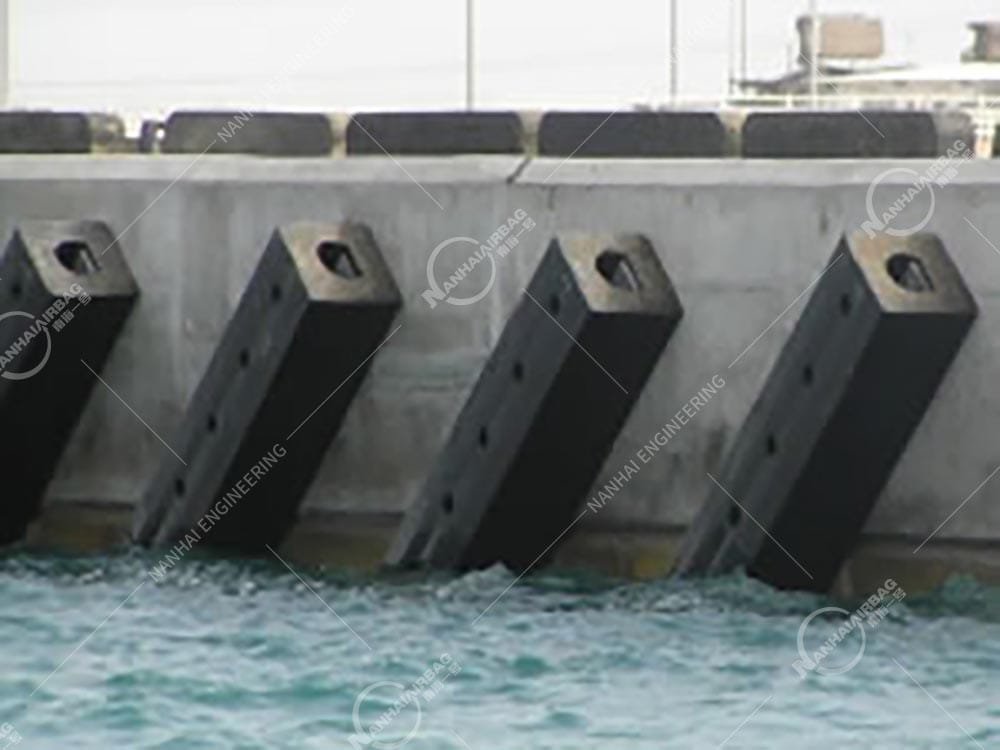
2. Solid Rubber Fenders
- Material: High-density rubber.
- Pros: High energy absorption, weather-resistant.
- Cons: Heavy, requires secure mounting.
- Use: Commercial ports, cruise ships, long-term installations.
3. Composite Fenders (e.g., Polyurethane)
- Material: Synthetic polymers like TPU.
- Pros: Lightweight, corrosion-resistant, low maintenance.
- Cons: Higher cost than rubber.
- Use: Offshore wind farms, floating docks.
4. Foam-Filled Fenders
- Material: Rubber-coated foam core.
- Pros: Flexible, self-adjusting to impacts.
- Cons: Limited load capacity.
- Use: Fishing vessels, marinas with gentle waves.
5. Steel Fenders
- Material: High-strength steel (e.g., cell fenders).
- Pros: Extremely durable, handles heavy loads.
- Cons: Heavy, prone to corrosion if not coated.
- Use: Mega-ships, industrial harbors.
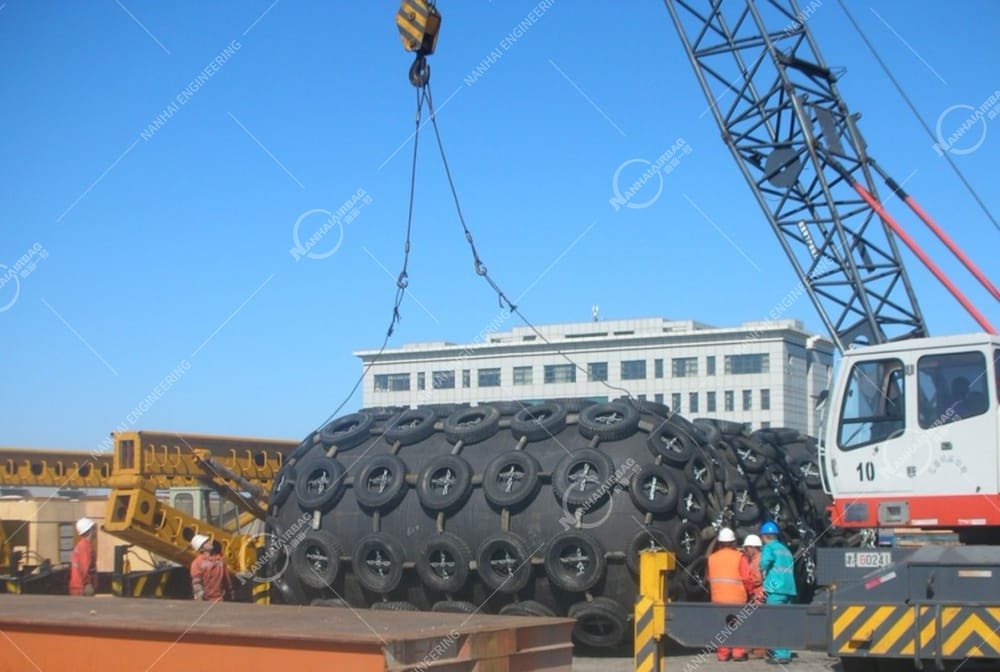
6. Pneumatic Fenders
- Material: Reinforced rubber with air chambers.
- Pros: Modular, reusable, high energy dissipation.
- Cons: Requires regular pressure checks.
- Use: Naval vessels, offshore platforms.
Key Considerations:
- Vessel Size: Smaller boats often use inflatable/composite; large ships need steel/pneumatic.
- Environment: Saltwater, temperature, and weather dictate material choice.
- Budget: Balance upfront cost (rubber) vs. long-term durability (steel).
Ideal Applications:
- Inflatable: Temporary projects, eco-sensitive areas.
- Steel: Heavy-duty industrial ports.
- Polyurethane: Offshore renewable energy sites.
Choose based on durability needs, flexibility, and operational conditions!