


Berth Fender Classification: Key Types and Applications
04/18/2025Types of Marine Fenders: Choosing the Right Protection
04/22/2025Benefits of Inflatable Fenders: Flexibility Meets Efficiency
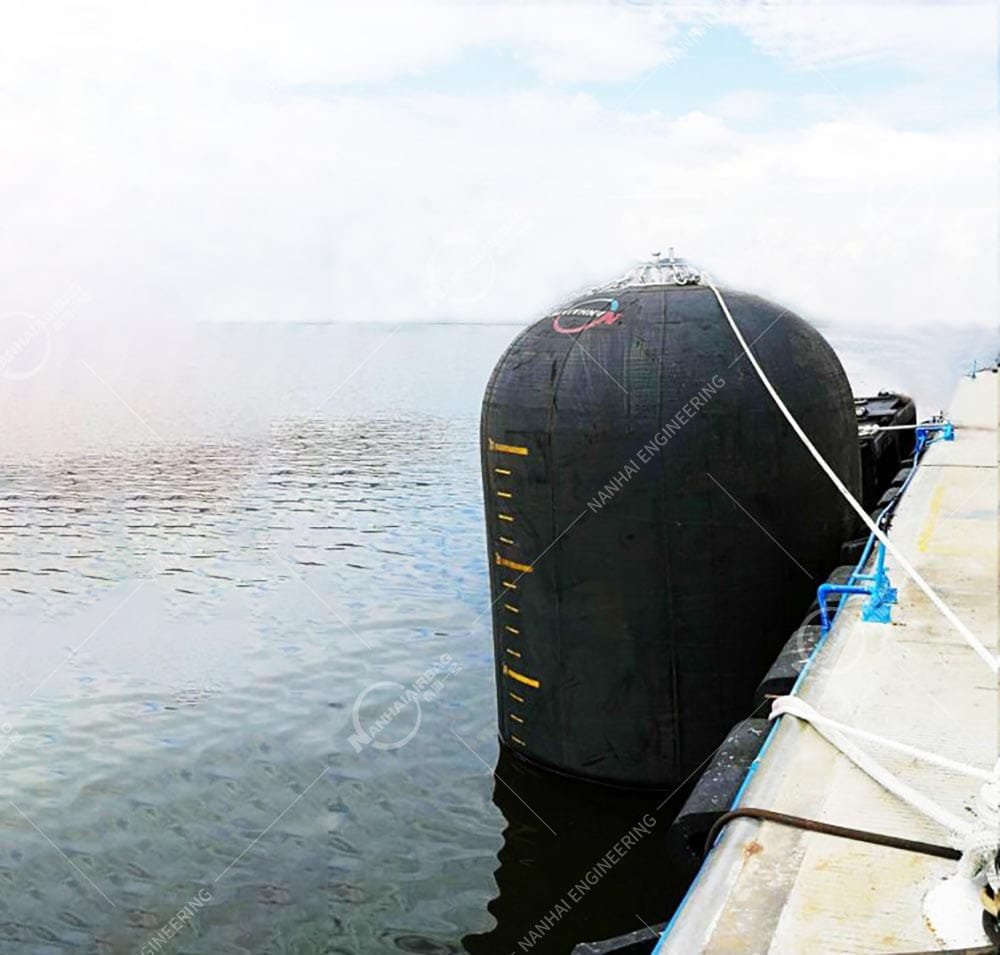
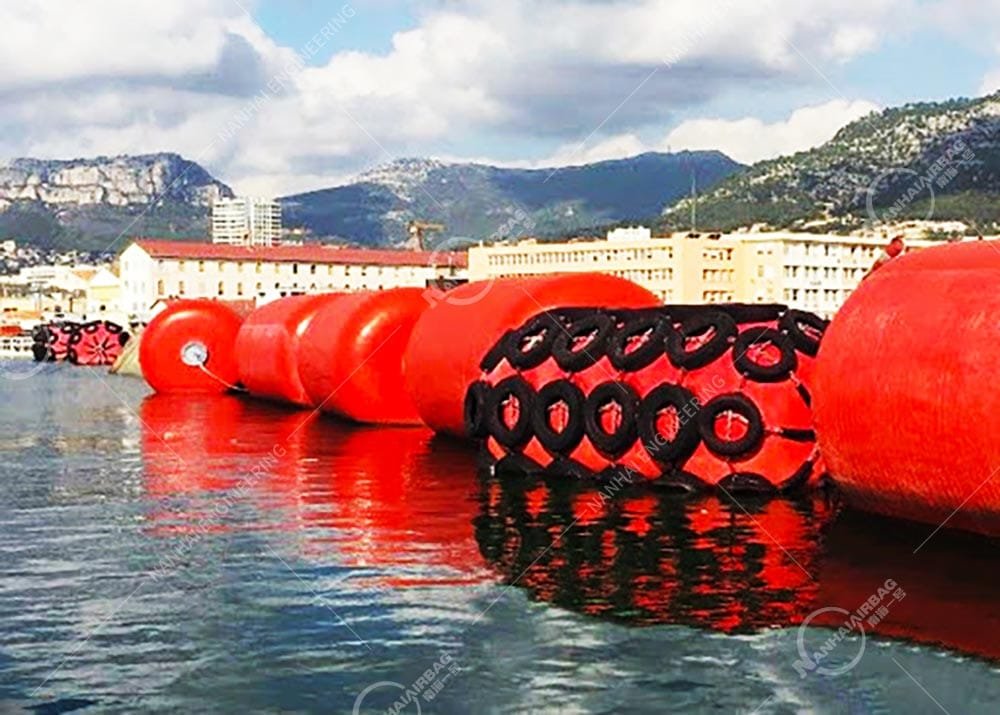
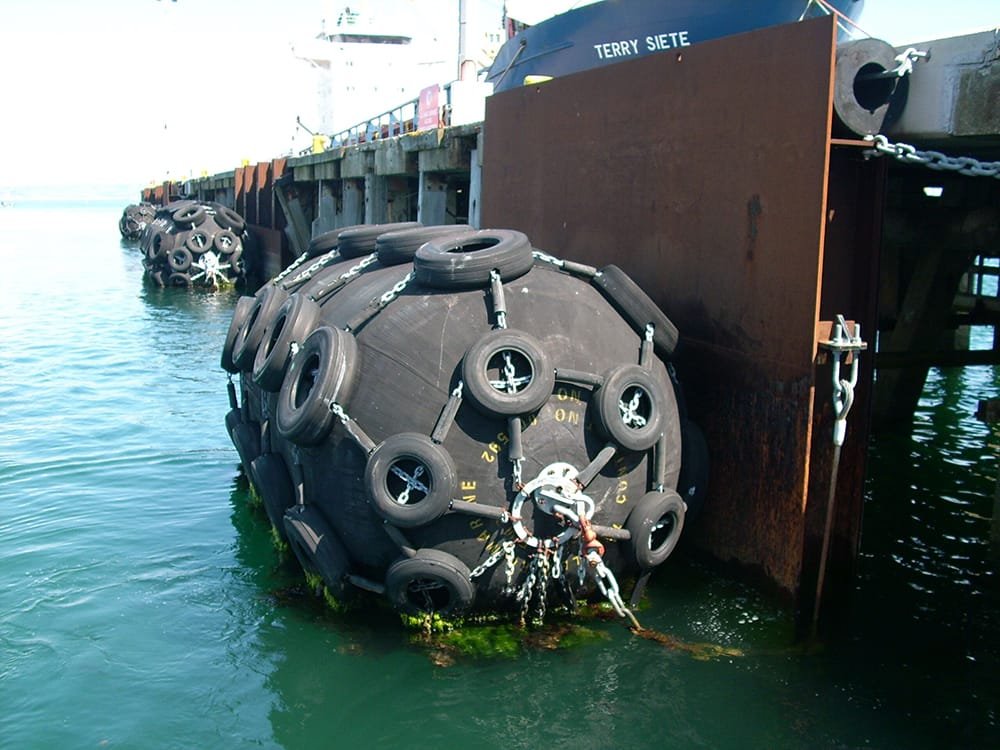
Inflatable fenders are lightweight, adaptable marine protection systems widely used in ports, marinas, and offshore applications. Here’s why they stand out:
1. Adjustable Energy Absorption
- Customizable Pressure: Inflate to varying pressures to match vessel size and impact force (e.g., small boats vs. yachts).
- Optimized Damage Prevention: Softer inflation absorbs minor bumps, while firmer settings handle heavy collisions.
2. Lightweight & Portable
- Easy Installation: No heavy machinery required—simply roll, secure, and inflate.
- Mobility: Ideal for temporary berths, construction sites, or rental services.
3. Low Maintenance
- No Corrosion Risk: No metal components degrade in saltwater.
- Simple Repairs: Punctures are easily patched, extending lifespan.
4. Eco-Friendly Design
- Recyclable Materials: Many use biodegradable rubber or TPU (thermoplastic polyurethane).
- No Pollution: No foam cores or leaks, unlike traditional fenders.
5. Versatile Applications
- Marinas: Protect yachts and docks from minor impacts.
- Offshore Wind Farms: Safeguard floating turbines from vessel contact.
- Ice Class Vessels: Resist ice abrasion when inflated to higher pressures.
6. Cost-Effective
- Lower Initial Cost: Cheaper than steel or composite fenders.
- Reduced Downtime: Quick replacement for damaged units.
Ideal For: Small to medium vessels, temporary projects, and eco-conscious ports. While not suited for mega-ships, inflatable fenders combine practicality, adaptability, and sustainability—making them a smart choice for dynamic marine environments.