


Difference Between a Cone Fender and a Cell Fender?
01/28/2026How To Do The Pneumatic Fender Performance Testing?
02/02/2026The 8 Different Types of Oil Rigs
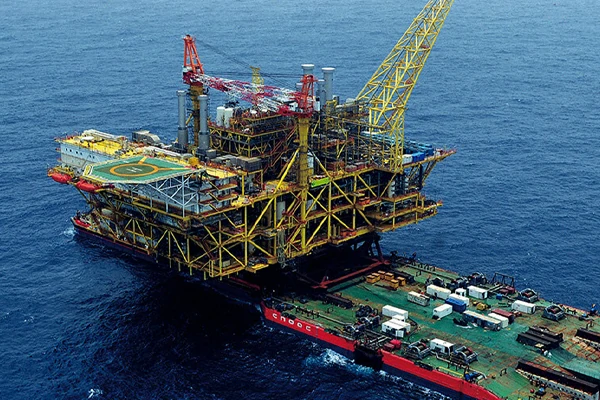
Oil rigs may look similar from a distance, but their designs can be very different. Each type is built for a specific water depth, environment, and job.
What many people don’t realize is that these differences also affect safety, especially when it comes to ship collisions.
Supply vessels, tugboats, and tankers operate close to oil rigs every day. Without proper protection, even a small collision can cause serious damage. That’s why collision protection, such as foam fenders, plays a key role in offshore operations.
Below are the eight main types of oil rigs, explained in simple terms, along with the safety challenges they face.
1. Fixed Platforms
Fixed platforms are used in shallow water. They are built on steel or concrete legs that are firmly attached to the seabed.
Because these platforms stay in one place, support vessels often operate very close to their legs. Accidental contact can damage both the vessel and the platform structure.
To reduce this risk, foam fenders are commonly installed around critical areas, helping absorb impact energy and protect the platform.
2. Compliant Towers
A compliant tower is tall and flexible. Unlike fixed platforms, it can bend slightly with waves and wind.
This movement improves stability in deeper water, but it also increases collision risk. When a structure moves and vessels come close, even small errors can lead to contact.
Energy-absorbing fender systems are often used to protect the tower and nearby vessels during operations.
3. Jack-Up Rigs
Jack-up rigs are mobile drilling platforms. They are towed to a location, then their legs are lowered to the seabed and the deck is lifted above the water.
During towing and setup, marine traffic around the rig is very active. Temporary operations like these are especially prone to collision risks.
For this reason, portable or easy-to-install foam fenders are often preferred for jack-up rigs.
4. Semi-Submersible Rigs
Semi-submersible rigs float on large pontoons below the water surface. This design gives them excellent stability in rough seas.
However, they usually operate with multiple vessels nearby. Supply boats, anchor handlers, and service ships frequently come alongside.
Because of this, soft but strong collision protection is essential to prevent damage during vessel interaction.
5. Drillships
A drillship looks like a regular ship, but it is equipped with drilling equipment and often uses dynamic positioning (DP) systems.
If the DP system fails or weather conditions worsen, the risk of contact with other vessels increases. Drillships also rely heavily on support vessels for supplies.
Foam fenders help protect both the drillship hull and nearby vessels during close operations.
6. Tension Leg Platforms (TLPs)
TLPs are floating platforms held in place by vertical tension legs connected to the seabed.
These tension legs are critical to platform stability and must not be damaged. Any collision in this area could cause serious structural problems.
That’s why well-designed collision protection systems are a standard safety requirement for TLPs.
7. Spar Platforms
Spar platforms are large floating structures with a deep vertical hull. They are mainly used in deep water.
Their size and draft make them very stable, but also vulnerable to serious damage if struck by a vessel.
For this reason, protective fender systems are often installed around key contact zones to reduce impact forces.
8. FPSO (Floating Production Storage and Offloading)
FPSOs are among the busiest offshore structures. They produce oil, store it, and transfer it to shuttle tankers.
This constant loading and offloading means frequent vessel contact. Even with good procedures, the risk of collision is always present.
On FPSOs, foam fenders act as the first line of defense, protecting both the platform and visiting vessels.
Why Collision Protection Is So Important for Oil Rigs
Across all eight types of oil rigs, one thing is clear:
Ships and offshore structures must work very close together.
A collision can lead to:
- Structural damage
- Costly downtime
- Oil spills and environmental harm
That’s why collision protection is not optional—it’s a core part of offshore safety design.
Foam Fenders: A Practical Solution for Offshore Protection
Foam fenders are widely used in offshore oil and gas projects because they:
- Absorb high impact energy
- Do not deflate or leak
- Perform well in harsh marine environments
They are suitable for fixed platforms, floating rigs, FPSOs, and support vessels, making them a reliable solution for long-term collision protection.
Final Thoughts
Oil rigs come in many forms, from fixed platforms to floating production units. While their structures differ, the need for collision protection is universal.
By choosing the right safety systems—such as foam fenders—operators can reduce risk, protect assets, and ensure safer offshore operations.
FAQ
What are the main types of oil rigs?
The main types include fixed platforms, compliant towers, jack-up rigs, semi-submersible rigs, drillships, tension leg platforms, spar platforms, and FPSOs.
Why are oil rigs at risk of vessel collisions?
Oil rigs operate close to supply vessels, tugboats, and tankers. Limited space, bad weather, or human error can all lead to collisions.
What happens if a vessel hits an oil rig?
A collision can cause structural damage, interrupt production, and increase the risk of oil spills or safety incidents.
What are foam fenders used for on oil rigs?
Foam fenders absorb impact energy and protect oil rigs and vessels during close-contact operations.
Are foam fenders better than air-filled fenders offshore?
Foam fenders do not lose performance if damaged and require less maintenance, making them suitable for long-term offshore use.