


Why Delta Rubber Fenders Are Ideal for Tight Docking Areas
03/13/2026The Growing Importance of Port Infrastructure Upgrades and Investment
03/19/2026How Middle East Conflicts Are Reshaping Global Shipping Routes?
In the past, shipping companies chose routes mainly based on distance and cost. But now, this rule is changing. With tensions rising in the Middle East, more and more ships are avoiding some key areas, even if it means longer trips and higher costs. The shipping industry is going through a major change: from “efficiency first” to “safety first.”
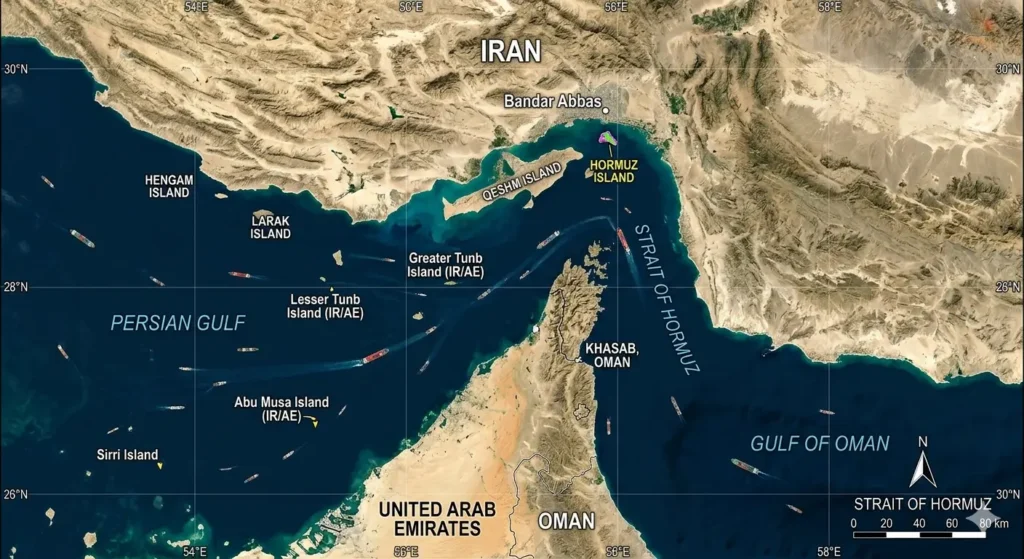
1. Why is the Strait of Hormuz so important?
The Strait of Hormuz is one of the most important shipping channels in the world. A huge amount of global oil and gas passes through here, connecting the Middle East with Asia and Europe. People call it the “energy lifeline.” If anything goes wrong in this strait, the impact will not stay in the Middle East but will quickly spread around the world.
2. Conflicts Are Changing Shipping Reality
According to Lloyd’s List and several media reports, attacks on merchant ships have increased. Some shipping companies have stopped going into high-risk areas. Ship owners are less willing to take risks, so more ships are choosing to reroute. The shipping industry is clearly moving from “efficiency first” to “safety first.”
3. Shipping Routes Are Changing
3.1 Ships Avoid High-Risk Areas
The most obvious change is that ships are avoiding high-risk areas. Fewer ships are entering the Persian Gulf, and some routes are directly adjusted. Shipping paths are no longer fixed and now change in real time based on the risk level.
3.2 Route Changes Push More Offshore Operations
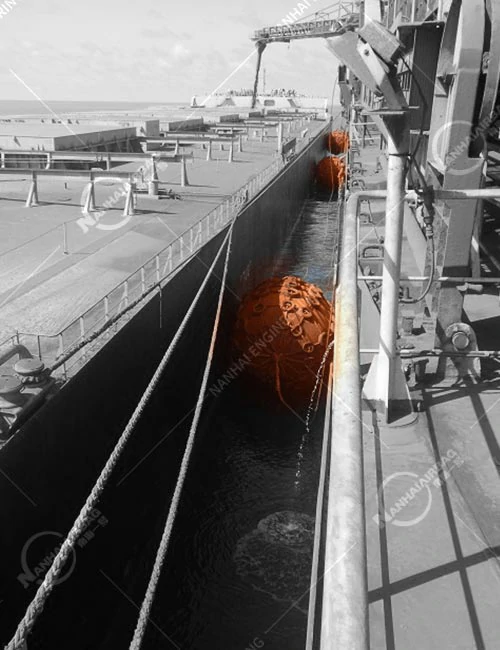
When ships stop relying on fixed ports, more operations are moving offshore. Examples include ship-to-ship transfers (STS), temporary loading and unloading, and non-traditional transfer points. In these situations, the safety distance and buffer between ships become very important. That is why pneumatic fenders are becoming more important—they reduce impact when ships touch and lower the risk of damage.
3.3 But STS is Becoming More Dangerous, Not Just More Common
STS operations are not just increasing—they are becoming more dangerous. Some oil tankers have been attacked during STS, and offshore transfers show clear safety gaps. Some high-risk STS activities are decreasing, but critical transfers still must happen. Ship owners now require higher safety standards and stricter rules for STS operations.
4. Global Supply Chains Are Being Affected
The impact of Middle East conflicts goes beyond changing shipping routes. Oil exports have dropped, energy prices fluctuate, shipping times are longer, and freight costs are higher. Many ships are forced to reroute.
Ships that planned to enter ports in the Persian Gulf must now unload at alternative points outside the strait. When many ships arrive at these alternative ports at the same time, congestion rises, increasing pressure on port operations. This tests the port’s handling capacity and protection systems.
Frequent docking increases the risk of collisions and wear, making rubber fenders essential for safe and stable berthing. At the same time, offshore STS operations are becoming more common. Direct ship-to-ship contact requires better impact and collision buffers. Pneumatic fenders absorb shocks, reduce contact risk, and improve overall safety and efficiency.

5. Higher Risks Are Changing Ship Operations
5.1 Safety Threats Are Rising
Safety threats are increasing, including drone attacks, missile risks, and unknown dangers at sea. Crew and ships face higher pressure for safety.
5.2 Insurance and Cost Pressure
War risk insurance costs have risen sharply, and high-risk routes have become very expensive. Some routes are now economically unfeasible.
5.3 Safety Operations Become the Core
In this environment, safety is the top priority. Reducing operational risk is critical, especially during offshore transfers when two ships come very close in complex conditions, like wind, waves, and poor visibility. A collision can cause huge losses. High-quality pneumatic fenders are crucial because they absorb shocks, protect ship structures, and increase safety. Their importance grows as risks rise.
6. Long-Term Shipping Patterns Are Changing
These changes are not just short-term. In the future, shipping routes will be more diverse and less dependent on a single passage. Offshore operations will become common, and shipping systems will be more flexible and decentralized. The shipping network will be more spread out and able to adapt to new risks.
7. What This Means for the Offshore Equipment Industry
For equipment suppliers, the real change is not about more or fewer orders, but higher standards. The market now values safety and reliability more than ever. High-quality, dependable equipment is needed to meet the new demands of the shipping industry.
Conclusion: Shipping Rules Have Changed
Middle East conflicts are reshaping how shipping works. In the past, shipping focused on being faster and cheaper. Now, the focus is on being safer and more controllable. In this new environment, those who manage risks better will have an advantage in the future shipping market.
FAQ
Q1: What is an STS operation?
A: STS stands for ship-to-ship transfer, where cargo is moved directly from one ship to another at sea.
Q2: Why are ships avoiding the Strait of Hormuz?
A: Because the area is high-risk due to conflicts and attacks, making routes through it less safe.
Q3: What are pneumatic fenders and why are they important?
A: Pneumatic fenders are inflatable cushions placed between ships or at docks. They absorb impact and reduce damage during docking or STS operations.
Q4: How does rerouting ships affect global supply chains?
A: Longer routes and port congestion increase shipping time and costs, affecting delivery of goods worldwide.
Q5: What long-term changes might we see in shipping?
A: Routes will become more diverse, offshore operations will grow, and shipping networks will become more flexible and decentralized.