


10 Most Common Rubber Dock Fenders: The Ultimate Selection Guide for Port Engineers
05/22/2026Ship-to-Ship Operations: What Motivated the Growth of This Modality?
05/29/2026What Is the Difference Between a Buoy and a Mooring?
If you spend time around ports, marinas, or ships, you will hear the words buoy and mooring all the time. Many people think they mean the same thing because both are connected to the ocean and both can float on the water.
But they are actually very different.
A buoy is mainly used to mark, guide, or support something at sea.
A mooring is used to keep a boat or ship fixed in one place.
In simple terms:
A buoy works like a sign on the water.
A mooring works like a parking system for boats.
Once you understand that difference, the rest becomes much easier.
Why Are There Buoys Everywhere at Sea?
When people first see a buoy, they often think it is just a floating ball or drum. But buoys are much more important than they look.
Ships depend on them every day for safe navigation.
Some buoys help guide vessels into ports. Others warn ships about rocks, shallow water, or restricted areas. Some even carry scientific equipment that measures waves, weather, or ocean currents.
Without buoys, many waterways would be much harder and more dangerous to navigate.
Different Buoys Have Different Jobs
Not all buoys are used for the same purpose.
Navigation Buoys
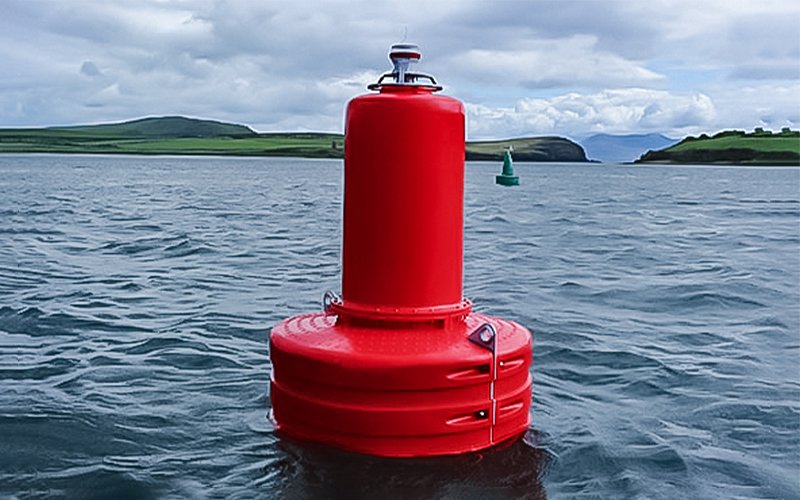
These are used to guide ships along safe routes. They help captains know where the channel is and which direction to travel.
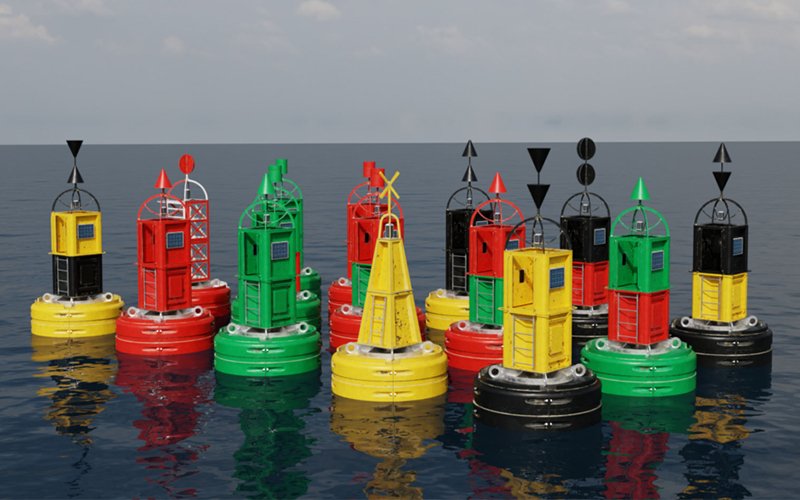
You have probably seen red and green buoys near harbors or coastlines. They are part of a navigation system used around the world.
Warning Buoys
These buoys warn boats about danger nearby.
For example, they may mark:
- Rocks
- Shallow water
- Underwater pipes
- Construction zones
- Swimming areas
They help prevent accidents before they happen.
Ocean Monitoring Buoys
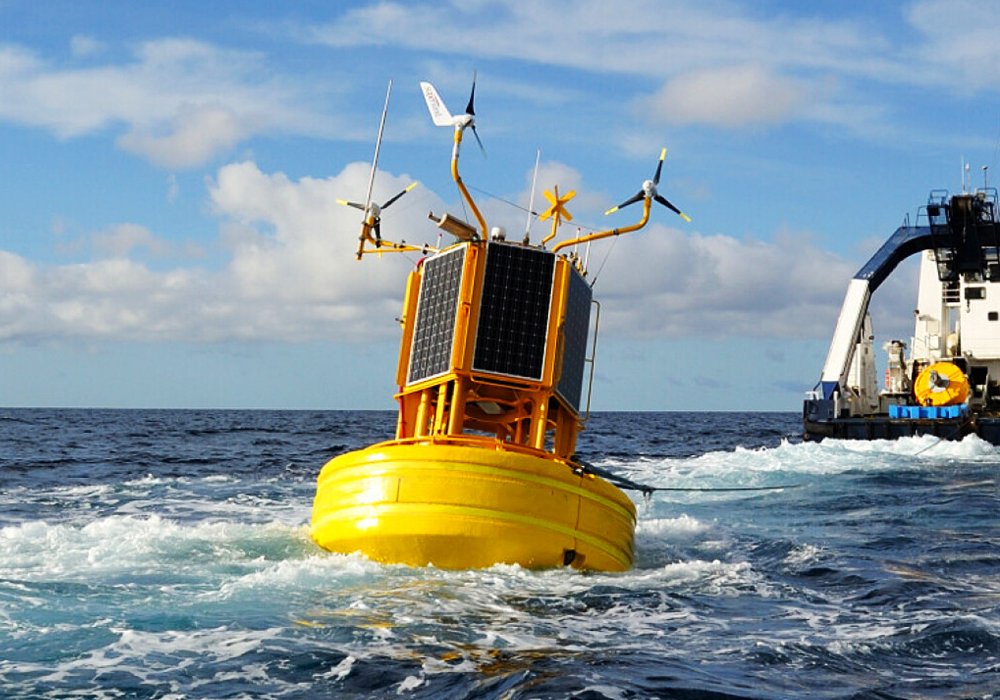
Some buoys are designed for science and weather monitoring.
These floating stations can measure:
- Wave height
- Wind speed
- Water temperature
- Ocean currents
Many weather forecasts and storm warnings depend on data collected from these buoys.
Why Are Buoys So Brightly Colored?
Most buoys are painted in bright colors for a reason.
At sea, visibility matters.
A captain may need to spot a buoy from far away, during rain, fog, or rough weather. Bright colors and flashing lights make them easier to see both day and night.
Different colors and shapes can also communicate different meanings.
How Does a Mooring Keep a Ship in Place?
Unlike a buoy, a mooring is not just one floating object.
A mooring is usually a complete system designed to hold a vessel in position.
That system may include:
- Anchors
- Heavy chains
- Ropes
- Floating buoys
- Seafloor attachment points
Its main job is simple:
Stop the vessel from drifting away.
How a Mooring System Works
The basic idea is similar to tying a balloon with a string so it cannot float away.
A ship connects to the mooring system using ropes or chains. The bottom part of the system is fixed to the seabed, while the upper part stays connected to the vessel.
The anchor or heavy weight on the seafloor provides holding force.
The chains help absorb wave energy and reduce sudden pulling forces.
The floating section keeps the connection point near the surface where crews can reach it more easily.
Why Large Ships Need Strong Mooring Systems
Small boats can sometimes use simple anchors. Large ships cannot rely on that alone.
Big vessels are affected by:
- Wind
- Waves
- Currents
- Tides
Because of their size and weight, they create enormous forces.
That is why ports, oil terminals, and offshore platforms use heavy-duty mooring systems built to handle constant movement and stress.
Some offshore mooring systems are strong enough to hold massive oil tankers in open water for long periods of time.
So What Is the Real Difference Between a Buoy and a Mooring?
This is where many beginners get confused.
The easiest way to think about it is this:
- A buoy mainly marks or supports something.
- A mooring mainly secures something.
A buoy tells ships where they are.
A mooring tells ships where they should stay.
They Also Handle Very Different Loads
A normal buoy is usually not designed to hold a large vessel for long periods.
Its purpose is mainly visibility, guidance, or support.
A mooring system, however, is specifically engineered to handle heavy pulling forces from ships and waves.
That requires much stronger materials and more complex engineering.
Their Structures Are Different Too
A regular buoy may only need:
- A floating body
- A chain
- A simple anchor point
But a mooring system often involves:
- Heavy anchors
- Multiple chains
- Load calculations
- Seabed engineering
- Corrosion protection
In offshore industries, mooring design can become highly technical.
Why Does “Mooring Buoy” Confuse So Many People?
This is probably the biggest source of confusion.
A mooring buoy is both:
- A buoy
- Part of a mooring system
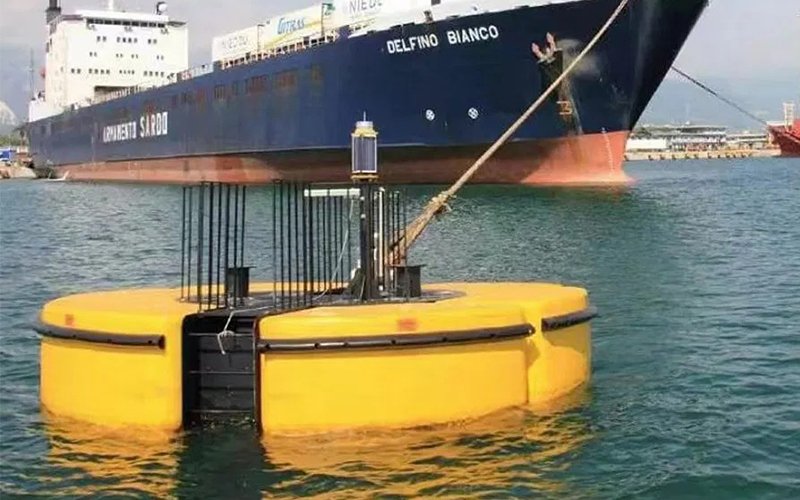
It floats on the surface like a normal buoy, but its purpose is to help secure vessels.
So while every mooring buoy is a buoy, not every buoy is a mooring buoy.
That small difference matters a lot in marine work.
Where Are Mooring Buoys Commonly Used?
You will often find them in places like:
- Marinas
- Ports
- Offshore oil projects
- Aquaculture farms
- Yacht harbors
Boats can tie directly to them instead of dropping anchors.
This helps reduce congestion and protects the seabed from anchor damage.
Real-World Examples
Harbor Entrance Buoys
The red and green floating markers near harbor entrances are standard navigation buoys.
Their job is to guide ships safely.
They are not meant to hold vessels in place.
Yacht Mooring Buoys
In many marinas, small boats connect directly to floating mooring buoys.
These are designed to handle the pulling force of the vessel.
Offshore Oil Mooring Systems
Large oil tankers often connect to single-point mooring systems offshore.
These systems may include giant floating buoys, chains, and seabed anchors strong enough to handle extreme ocean conditions.
Why Do Beginners Mix Up These Terms?
There are a few reasons.
First, both objects float on the water.
Second, many mooring systems include buoys.
Third, people in the marine industry sometimes shorten the language in everyday conversation.
Someone may say:
“Tie the boat to the buoy.”
But that buoy may actually be part of a complete mooring system.
That is why the terms can sound confusing at first.
FAQ
Can any buoy be used to tie up a boat?
No. Most navigation buoys are not designed for that.
Only specially designed mooring buoys should be used for securing vessels.
Does every mooring system use a buoy?
Not always.
Some offshore systems are mostly underwater and may not have a visible surface buoy.
Is an anchor the same as a mooring?
No.
An anchor is just one part of a mooring system.
A mooring includes the full setup used to secure a vessel.
Why do some buoys have lights?
Lights help ships see them at night or during bad weather.
This improves navigation safety.
Final Thoughts
Although buoys and moorings are often seen together, they serve very different purposes.
A buoy acts more like a floating sign or marker.
A mooring acts more like a parking system that keeps vessels safely in place.
Understanding the difference is important for anyone working around ships, ports, or offshore equipment.