


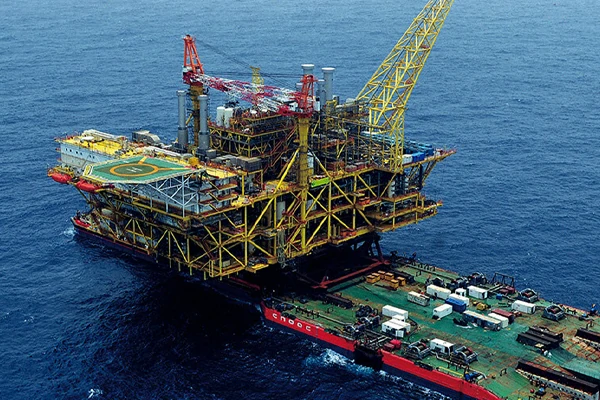
How Is Oil Transferred at Sea?
12/11/2025Corrosion-Resistant Polyurethane for Foam Filled Fenders
12/15/2025How to Avoid Ship Launching Risks – Ship Launching Airbags
Launching a ship is always a high-risk job. If something goes wrong, the ship can get damaged, people can get hurt, and the whole project may face delays and big costs. This is why more shipyards now use ship launching airbags. They offer strong support, smooth movement, and safer control from land to water.
In this article, we look at the risks of ship launching and show how airbags help you avoid them.
Why Ship Launching Can Be Risky
Launching a ship looks simple, but many things can go wrong:
1. Wrong movement or angle
If the ship does not move in a straight and stable line, it may twist, lean, or hit the ground or water at the wrong angle.
2. Too much speed or impact
If the ship slides too fast, it may hit the water too hard. This can damage the hull and internal structure.
3. Unstable support
Traditional wood or steel supports can break, shift, or create uneven pressure under the ship’s bottom.
4. Weather and tide changes
Strong wind, waves, or a sudden drop in tide can make the launch unsafe.
5. Human errors
Poor communication, lack of training, or wrong pressure control can cause accidents during the launch.
How Ship Launching Airbags Reduce These Risks
Ship launching airbags make the process much safer and easier to control. Here’s how:
1. They spread the load
Airbags have a wide contact area, so they spread the ship’s weight evenly. This reduces stress on the hull.
2. They act as shock absorbers
The air inside the bag absorbs impact when the ship starts moving and when it enters the water.
3. They offer strong flexibility
Airbags can adapt to uneven ground or rough surfaces. They don’t need a perfect slipway.
4. They help control speed
By adjusting air pressure and the number of airbags, the movement becomes smooth and controlled.
5. They work for many ship types
From small fishing boats to heavy steel ships, airbags offer a simple, cost-effective launching solution.
How to Choose the Right Ship Launching Airbags
When selecting airbags, focus on:
1. Size and diameter
Bigger ships need airbags with larger diameters and longer bodies.
2. Layer structure
More layers mean higher strength and longer service life.
3. Working pressure
Make sure the airbag meets the ship’s weight and launching angle.
4. Rubber quality
High-grade rubber improves abrasion resistance, air retention, and overall safety.
5. Safety test reports
Always choose airbags that have passed pressure and load tests.
Preparation Before Ship Launching
Good preparation can remove more than half of the risks.
1. Survey the site
Check ground level, slope, tidal data, water depth, and seabed conditions.
2. Prepare a clear launching plan
Include airbag spacing, pressure, movement direction, pulling force, and emergency steps.
3. Train the team
Make sure everyone knows the signals, steps, and safety points.
4. Set up monitoring
Use radios, cameras, or simple hand signals so the team can react quickly.
How to Use Airbags Safely During Launching
1. Place airbags correctly
Spread them evenly under the hull. Make sure each one has the right pressure.
2. Control the air pressure
Check pressure many times before starting. Adjust it as the ship starts moving.
3. Keep movement slow and steady
Use winches or tractors to guide the ship. Avoid sudden pulls or uncontrolled sliding.
4. Watch the whole process
One leader should monitor the ship and give clear instructions.
5. Be ready to stop
If anything looks wrong—uneven movement, strange sounds, or a bag slipping—stop the launch immediately.
Emergency and Risk Handling
Even with good planning, problems may appear:
1. Airbag damage
If a bag is punctured, use spare airbags immediately.
2. Ship stops moving
Check for ground obstacles or pressure imbalance.
3. Ship tilts
Stop the movement and re-position airbags to correct the angle.
4. Bad weather
Pause the launch and wait for safe conditions.
Maintenance Tips for Ship Launching Airbags
1. Check for cracks or cuts
Inspect before and after each launch.
2. Keep them clean
Remove sand, shells, and sharp debris.
3. Protect from sun and chemicals
Store in a cool, dry place away from oil and chemicals.
4. Test the pressure regularly
Make sure the bag holds air for a long time without leaking.
Conclusion
You can avoid most launching accidents by choosing the right ship launching airbags, planning ahead, using correct pressure, and monitoring the ship closely. Airbags make the job safer, simpler, and more efficient for shipyards of all sizes.
FAQ
1. What are ship launching airbags?
They are strong rubber airbags used to lift and move ships safely from land into the water.
2. Are airbags safe for large ships?
Yes. High-quality airbags can handle heavy loads when used correctly.
3. How many airbags do I need?
It depends on ship weight, length, and launching angle. Most projects use 6–20 airbags.
4. What happens if an airbag bursts?
Replace it with a spare and check pressure balance before restarting the launch.
5. How long do ship launching airbags last?
With proper care, they can last many years and support multiple launches.
{ “@context”: “https://schema.org”, “@type”: “FAQPage”, “mainEntity”: [ { “@type”: “Question”, “name”: “What are ship launching airbags?”, “acceptedAnswer”: { “@type”: “Answer”, “text”: “Ship launching airbags are heavy-duty rubber airbags used to lift and move ships safely from land into the water.” } }, { “@type”: “Question”, “name”: “Are airbags safe for large ships?”, “acceptedAnswer”: { “@type”: “Answer”, “text”: “Yes. High-quality ship launching airbags can support heavy ships when used with the correct pressure and layout.” } }, { “@type”: “Question”, “name”: “How many airbags do I need?”, “acceptedAnswer”: { “@type”: “Answer”, “text”: “The number of airbags depends on the ship’s size, weight, and launching angle. Most launches use between 6 and 20 airbags.” } }, { “@type”: “Question”, “name”: “What happens if an airbag bursts?”, “acceptedAnswer”: { “@type”: “Answer”, “text”: “You should replace it with a spare airbag and check pressure balance before continuing the launch.” } }, { “@type”: “Question”, “name”: “How long do ship launching airbags last?”, “acceptedAnswer”: { “@type”: “Answer”, “text”: “With proper cleaning, storage, and pressure checks, ship launching airbags can last for many years.” } } ] }