


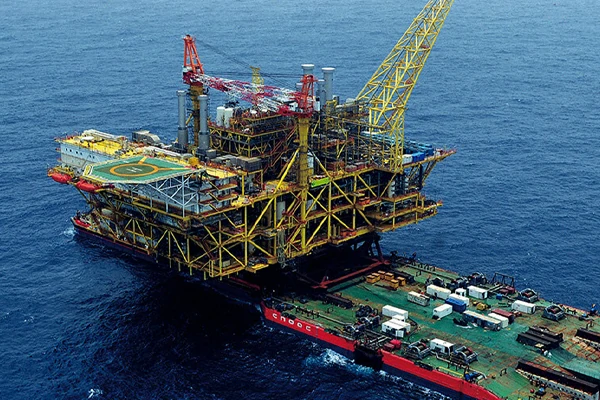
How do foam-filled fenders used on Offshore Floating Docks?
01/09/2026Why Choose Marine Airbags for Ship Launching and Landing?
01/14/2026What Are Buoys Filled With?
Most people look at a buoy and think about what it does — it marks a channel, warns about danger, or shows where boats should go.
But almost nobody thinks about what’s inside it.
Is it just full of air, like a big balloon?
Is it solid plastic?
Or something else?
The answer matters more than you might think, because what’s inside a buoy decides how it floats, how long it lasts, and whether it sinks or stays up when things go wrong.
Why Buoys Need Something Inside
A buoy cannot just be an empty shell. If it were, it would either sink or break very easily.
The material inside a buoy has three main jobs:
- It keeps the buoy floating.
- It helps the buoy keep its shape.
- It helps the buoy survive waves, sun, saltwater, and bumps from boats.
Different jobs on the water need different kinds of buoys. That’s why they are not all filled the same way.
What Are Buoys Filled With?
Air (Inflated Buoys)
Some buoys are filled with air, just like a beach ball or a tire.
Why use air?
- It is very light.
- It gives strong lift, so the buoy floats high.
- It is easy to adjust by adding or removing air.
The downside:
If the outer skin is damaged, the air can leak out. If that happens, the buoy may slowly lose its lift and sink.
Closed-Cell Foam
Many modern buoys are filled with closed-cell foam. This is a special type of foam that does not soak up water.
Why foam is popular:
- It keeps floating even if the shell cracks.
- It does not leak or lose pressure.
- It lasts a long time in harsh marine environments.
Foam-filled buoys are often used in ports, offshore areas, and places where safety and reliability are very important.
Hollow or Solid Plastic
Some small buoys are hollow inside or made from solid plastic.
Why use this design:
- It is cheap to make.
- It needs very little maintenance.
- It works well for calm lakes, rivers, or temporary use.
The downside:
These buoys usually cannot handle heavy impact or rough ocean conditions.
How Different Fillings Are Used
- Navigation buoys often use air or foam, depending on size and location.
- Mooring buoys usually use foam because they must support loads and stay safe if damaged.
- Small marker buoys in lakes or rivers are often hollow plastic.
Each filling choice is about balancing cost, safety, and durability.
Which Filling Is Best?
There is no single “best” filling for all buoys.
The right choice depends on:
- Where the buoy will be used (ocean, lake, harbor)
- How rough the water is
- Whether boats will hit or rub against it
- How often it can be checked or repaired
In calm places, simple hollow buoys work fine.
In busy or rough places, foam-filled buoys are usually the safer choice.
Environmental and Safety Notes
Modern buoy materials are designed to be stable and safe for the environment. Still, damaged buoys should be removed and recycled properly so they do not turn into plastic waste or floating debris.
Choosing durable buoys also means fewer replacements and less waste over time.
Simple Takeaway
Buoys are not all the same inside.
Some are filled with air.
Some are filled with foam.
Some are hollow or solid plastic.
What’s inside decides how the buoy floats, how long it lasts, and how safe it is on the water.
So the next time you see one floating quietly in the distance, you’ll know there’s more going on inside than you might expect.
FAQ
Are all buoys filled with foam?
No. Some are filled with air, some with foam, and some are hollow or solid plastic.
Why is foam used instead of air?
Because foam does not leak and keeps floating even if the shell is damaged.
Can buoys sink?
Yes. Air-filled buoys can sink if they lose pressure. Foam-filled buoys usually will not.
Are buoy fillings harmful to the ocean?
Modern materials are designed to be stable, but broken buoys should be removed and recycled properly.
How long do buoys last?
Good-quality buoys can last 10 to 20 years, depending on the materials and the environment.