


What does the orange diamond on a buoy mean?
01/21/2026Difference Between a Cone Fender and a Cell Fender?
01/28/2026What Are the Shipping Routes Through the Arctic?
1. Why the Arctic Is Becoming a Shipping Shortcut
For a long time, the Arctic was seen as too cold, too dangerous, and too remote for regular shipping. Today, that is changing.
As sea ice melts during longer summer seasons, ships are beginning to use Arctic routes to travel between Asia, Europe, and North America. These routes can be much shorter than traditional paths like the Suez or Panama Canals. Shorter routes mean less fuel, fewer days at sea, and lower costs.
But there is a catch. Arctic shipping may save distance, but it creates new risks. The environment is harsh, unpredictable, and unforgiving. That is why safety systems matter more than ever.
2. The Three Main Arctic Shipping Routes
2.1 Northern Sea Route (NSR)
The Northern Sea Route runs along Russia’s Arctic coast, connecting Northern Europe with East Asia.
This is currently the most active Arctic shipping route. It has icebreaker support, port facilities, and clearer regulations than other Arctic paths. Many cargo ships and LNG carriers already use this route during ice-free months.
However, ice pressure, low temperatures, and limited docking infrastructure still make operations risky.
2.2 Northwest Passage (NWP)
The Northwest Passage goes through the Canadian Arctic Archipelago.
Unlike the NSR, this route is narrow, shallow in places, and has many possible paths. Ice conditions change quickly, making navigation difficult. Commercial shipping here is still limited and unpredictable.
Ships using this route often face tight docking spaces and temporary mooring points, which increases contact risk.
2.3 Transpolar Sea Route
The Transpolar Sea Route would cross directly over the central Arctic Ocean.
This route is mostly a future concept. It is used today mainly for scientific research, not commercial shipping. There are no developed ports along the way, and rescue or repair options are very limited.
If this route becomes active in the future, ships will depend heavily on floating platforms and temporary infrastructure.
3. Why Arctic Shipping Is Not “Business as Usual”
Arctic shipping is very different from sailing in warm or temperate waters.
Ships face:
- Floating ice and ice fragments
- Extreme cold that affects steel, rubber, and equipment
- Low visibility from snow, fog, and polar nights
- Sudden weather changes
In many Arctic ports, there is little room for error. When a ship docks, even a small mistake can cause serious damage. That makes every point of contact critical.
4. Ports, Ice, and Contact Risks: Where Fender Systems Matter
Along Arctic shipping routes, ships often dock at:
- Ice-region ports
- LNG terminals
- Temporary supply points
- Research stations and floating platforms
Ice increases the force of ship movement. Cold temperatures reduce material flexibility. Together, these factors raise the energy during berthing.
This is where marine fender systems become essential. Fenders absorb impact energy and protect both the vessel and the structure. In the Arctic, they are not optional equipment—they are a key safety requirement.
5. The Role of Marine Fenders in Arctic Shipping Routes
Marine fenders help ships dock safely in some of the world’s toughest conditions.
Their main roles include:
- Absorbing berthing energy
- Reducing stress on ship hulls
- Protecting docks, platforms, and port structures
Low-Temperature Materials Matter
In Arctic conditions, not all fenders perform the same. Many rubber materials become stiff or brittle in extreme cold, which reduces their energy absorption ability.
NANHAI pneumatic fenders are designed for these conditions. They use a special low-temperature rubber compound that maintains full performance even at -50°C. There is no loss of elasticity or energy absorption, ensuring consistent protection in extreme Arctic environments.
This kind of material reliability is critical when ships operate far from repair facilities.
6. Typical Fender Applications Along Arctic Routes
Marine fenders are widely used in Arctic shipping infrastructure, including:
- Ice-region ports and terminals
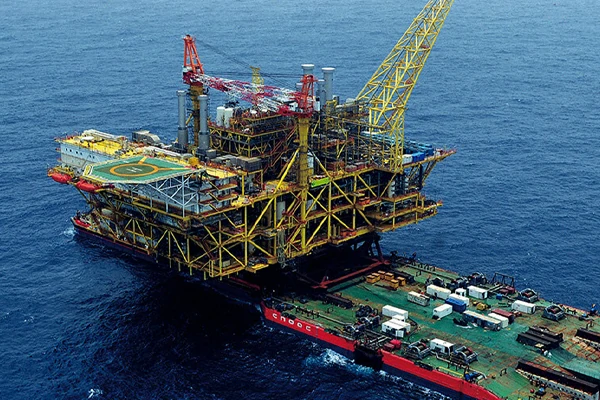
- Offshore oil and gas facilities
- LNG loading and unloading stations
- Temporary docks and modular platforms
- Research and supply stations
Pneumatic fenders are especially suitable because they are flexible, mobile, and capable of handling high berthing energy under harsh conditions.
7. Looking Ahead: Arctic Routes and Infrastructure Readiness
Arctic shipping routes are expected to see more traffic in the coming years. As trade grows, ports and support infrastructure must improve.
While routes may become shorter, safety standards must rise. Stronger ships, better navigation systems, and reliable fender solutions will all play a role in making Arctic shipping sustainable.
8. Conclusion: Shorter Routes Demand Stronger Protection
The Arctic is changing the map of global shipping. Shorter routes offer big advantages, but the environment raises the stakes.
In such extreme conditions, safety depends on what happens when a ship makes contact with a port or platform. Marine fenders quietly do their job at that moment—absorbing energy, preventing damage, and keeping operations moving.
FAQ
FAQ 1: What are the main Arctic shipping routes?
The main routes are the Northern Sea Route, the Northwest Passage, and the Transpolar Sea Route.
FAQ 2: Why are Arctic shipping routes shorter?
They reduce the distance between major markets by cutting across the top of the globe instead of going through long canal routes.
FAQ 3: Is Arctic shipping dangerous?
Yes. Ice, extreme cold, and limited infrastructure make Arctic shipping more risky than traditional routes.
FAQ 4: Why are marine fenders important in the Arctic?
They absorb high berthing energy and protect ships and ports from damage in extreme conditions.
FAQ 5: Can pneumatic fenders work in very cold temperatures?
Yes. High-quality pneumatic fenders made with special low-temperature rubber can perform reliably even at -50°C.