


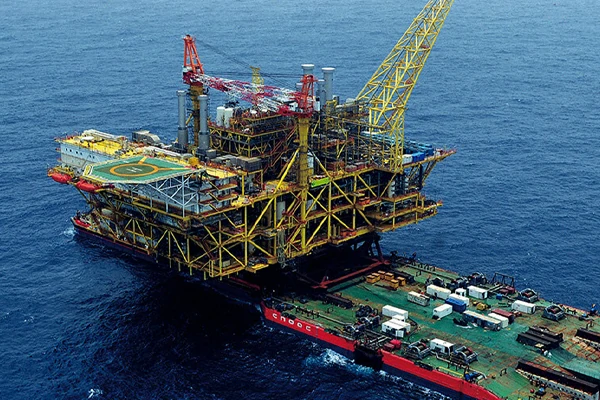
Ship-to-Ship Operations: What Motivated the Growth of This Modality?
05/29/2026How To Safely Transport Pneumatic Fenders: Complete Handling and Shipping Guide
06/05/2026Marine Airbag for Ship Launching: A Comprehensive Guide
Ship launching is one of the most critical phases in shipbuilding, demanding precision, safety, and cost-efficiency. Traditionally, dry docks or slipways have been used to launch vessels, but these methods often require significant infrastructure investment and time. In recent decades, marine airbags have emerged as a practical, cost-effective, and safe solution for ship launching. This article explores everything you need to know about ship launching airbags, including their design, advantages, selection criteria, launching procedures, and safety considerations.
How Marine Airbags Work in Ship Launching
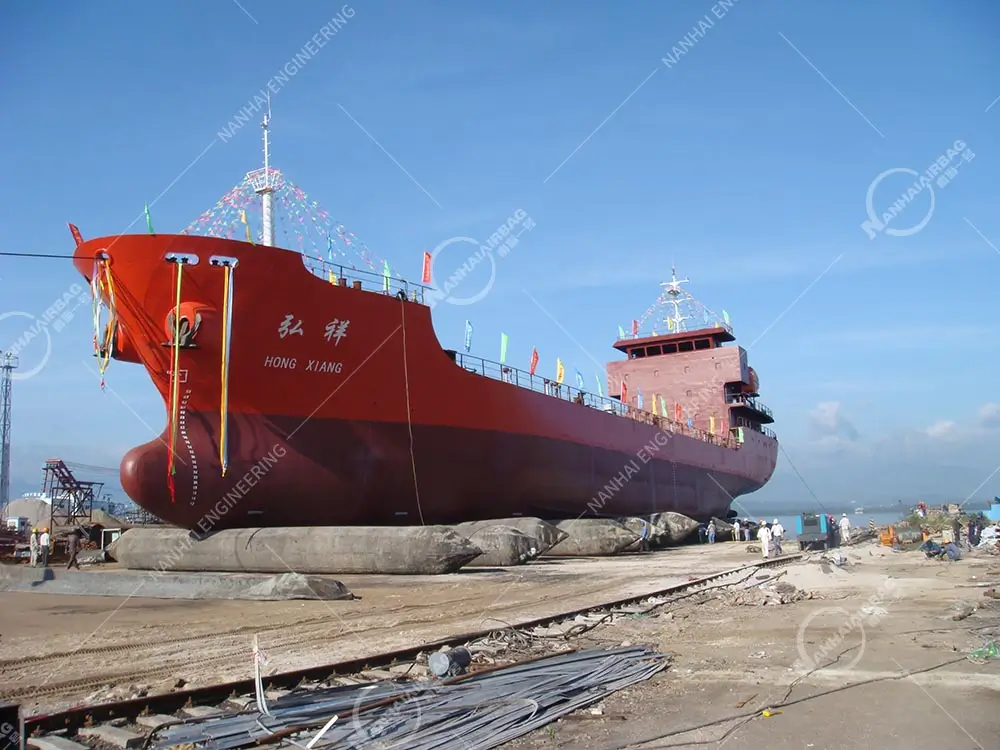
Marine airbags, also known as ship launching airbags, are large cylindrical inflatable devices placed under the hull of a ship. They serve as rolling cushions, allowing the vessel to glide from the construction area into the water smoothly. The fundamental principle is simple yet effective:
- Load Bearing: Airbags are designed to support the entire weight of the vessel. They distribute the load evenly along the hull, minimizing stress on the structure.
- Rolling Motion: Once inflated, the airbags act like rollers, enabling the ship to move forward under controlled force.
- Impact Absorption: The air cushion absorbs shocks during the launch, preventing hull damage.
Marine airbags are made of multiple layers of strong synthetic rubber reinforced with high-tensile fabrics. Some are coated with anti-abrasion or low-temperature-resistant materials, allowing safe use in harsh conditions.
Types of Marine Airbags
Not all marine airbags are the same. Selecting the right type is crucial for a successful ship launch. The main categories include:
- Standard Marine Airbags
Suitable for small to medium-sized vessels, these airbags typically have diameters ranging from 0.8 to 1.2 meters. They are commonly used in shipyards with conventional launching requirements. - Heavy-Duty Marine Airbags
Designed for large ships and special applications, these airbags have reinforced layers, higher load capacities, and larger diameters (up to 2 meters or more). They can withstand extreme pressure and rough handling. - Specialty Airbags
- Anti-abrasion Airbags: For frequent launches or rough ground surfaces.
- Cold-Resistant Airbags: For use in low-temperature environments without compromising elasticity.
- Long-Length Airbags: For long-hulled vessels requiring multiple airbags arranged in series.
Choosing the correct type depends on vessel weight, hull length, and launch environment.
Advantages of Using Marine Airbags
Ship launching airbags have several benefits over traditional launching methods:
- Cost-Effectiveness
Building and maintaining slipways or dry docks can be prohibitively expensive. Airbags require minimal infrastructure and can be reused for multiple launches, reducing overall project costs. - Flexibility
Marine airbags adapt to a wide range of ship sizes and hull designs. Whether launching small fishing boats or large cargo vessels, airbags offer a customizable solution. - Safety
Airbags provide controlled descent into the water, minimizing sudden impacts that could damage the hull. They also reduce the risk of accidents for personnel compared to mechanical launching methods. - Environmental Benefits
Unlike dry docks, airbags require minimal land alteration and do not significantly disturb waterbeds or surrounding marine ecosystems.
Factors to Consider When Selecting a Marine Airbag
For a successful ship launching operation, it is crucial to select airbags carefully. Key considerations include:
- Ship Weight and Dimensions: The heavier the ship, the larger the diameter and number of airbags required. Vessel length determines the spacing and arrangement.
- Load Capacity: Always factor in a safety margin; most manufacturers recommend a safety factor of 1.5–2 times the actual vessel weight.
- Material Durability: Depending on the launch surface and environmental conditions, choose materials with high abrasion resistance and, if necessary, cold resistance.
- Handling and Storage: Some airbags are heavy when deflated. Consider space for storage, transport, and inflation equipment.
Step-by-Step Ship Launching Process with Airbags
A successful launch requires careful preparation and execution. Here is a standard procedure:
- Preparation
- Inspect the hull and ensure it is free from defects.
- Prepare a clear launch path from the construction area to the water.
- Placement of Airbags
- Position airbags longitudinally under the hull, ensuring even distribution.
- Larger vessels may require multiple rows of airbags.
- Inflation and Alignment
- Inflate airbags gradually, checking for proper alignment under the hull.
- Confirm that the hull weight is evenly supported.
- Rolling and Launching
- Apply gentle force to move the ship forward.
- Airbags act as rollers, allowing a smooth glide into the water.
- Monitor hull stability throughout the process.
- Post-Launch
- Once the ship is afloat, deflate airbags slowly and remove them.
- Inspect the hull for any minor scratches or deformations.
Common Challenges and Solutions
While marine airbags are reliable, certain challenges may arise:
- Uneven Hull Support: Can cause hull stress; solution: use additional airbags or adjust spacing.
- Airbag Slippage: Typically occurs on inclined surfaces; solution: add friction pads or anchors.
- Weather Impacts: High winds or waves may destabilize the launch; solution: schedule launches in calm conditions and monitor water currents.
- Maintenance Needs: Inspect airbags regularly for cracks, wear, or air leakage to ensure longevity.
Safety Guidelines
Safety is paramount when using ship launching airbags:
- Never exceed the recommended weight capacity.
- Ensure crew members are trained in airbag handling and launch procedures.
- Always have emergency protocols in place, including quick deflation options and personnel evacuation plans.
- Conduct a trial run with smaller vessels or mock loads before full-scale launches.
Frequently Asked Questions (FAQ)
1. How long do marine airbags last?
With proper maintenance, high-quality airbags can last for 10–15 years, depending on usage frequency and environmental exposure.
2. Can airbags be reused for multiple ships?
Yes, one of the biggest advantages is reusability. They can support different vessels as long as the load capacity is not exceeded.
3. What’s the largest ship successfully launched with airbags?
Marine airbags have been used to launch vessels exceeding 50,000 tons, showcasing their reliability for large-scale projects.
4. Are airbags suitable for all climates and water conditions?
Modern airbags are made with anti-abrasion and low-temperature-resistant materials, making them suitable for a wide range of environments.
Conclusion
Marine airbags have revolutionized the ship launching process, offering an economical, safe, and flexible alternative to traditional methods. From small fishing boats to large cargo ships, ship launching airbags simplify operations while minimizing environmental impact. Selecting the right type, following proper placement and safety protocols, and conducting thorough maintenance ensures successful launches every time. For shipyards and maritime professionals, investing in quality marine airbags is a step toward efficiency, safety, and long-term cost savings.