



Marine Airbag for Ship Launching: A Comprehensive Guide
06/04/2026How 52 Ship Launching Airbags Launched a 4,800HP Harbor Tug in Angola
06/09/2026How To Safely Transport Pneumatic Fenders: Complete Handling and Shipping Guide
Pneumatic fenders are designed to absorb impact and protect ships and port structures during berthing operations. They are strong and durable, but they can still be damaged if they are not handled correctly during transportation.
A pneumatic fender may travel thousands of miles before it reaches a shipyard, port, or offshore project site. During this journey, it may be loaded onto trucks, moved by cranes, stored in warehouses, and shipped across oceans. Every step creates potential risks.
This guide explains how to safely transport pneumatic fenders, reduce the chance of damage, and make sure they arrive ready for use.
Why Transportation Matters
Many people focus on the quality of the fender itself, but transportation is just as important.
Even a well-manufactured pneumatic fender can be damaged if it is dropped, dragged, compressed, or stored improperly. Transportation damage can lead to delays, additional costs, and extra inspections before installation.
By following proper handling and transportation procedures, project teams can reduce risks and protect their investment.
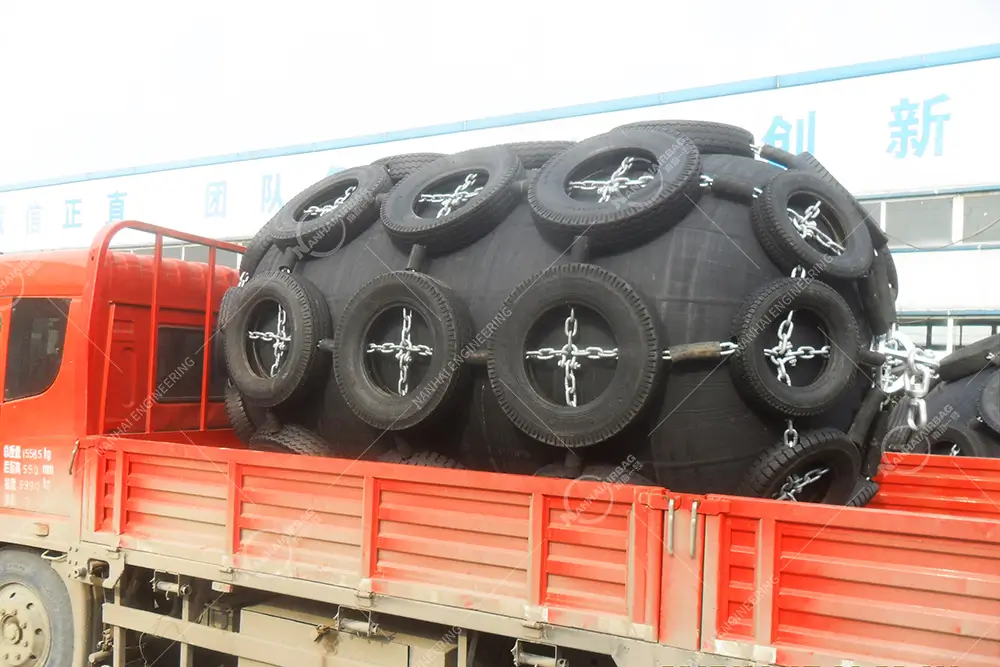
Common Risks During Transportation
Before discussing transportation methods, it is helpful to understand the most common causes of damage.
Impact Damage
Pneumatic fenders can be damaged if they are accidentally dropped during loading or unloading.
Strong impacts may affect the outer rubber layer and other components of the fender.
Surface Abrasion
Dragging a pneumatic fender across rough ground can wear down the outer surface.
Sharp edges, metal objects, and rough concrete can also cause cuts or scratches.
Excessive Compression
Heavy objects should never be placed directly on top of a pneumatic fender unless recommended by the manufacturer.
Too much pressure may cause deformation or damage.
Environmental Exposure
Long periods of exposure to sunlight, extreme heat, chemicals, or other harmful conditions may affect the condition of the fender over time.
Preparing Pneumatic Fenders for Shipment
Proper preparation helps prevent problems during transportation.
Perform a Visual Inspection
Before shipment, inspect the fender carefully.
Check for:
- Visible cuts or scratches
- Loose accessories
- Signs of wear
- Any unusual damage
Identifying issues before shipment makes it easier to determine whether damage occurred during transportation.
Verify Transportation Condition
Follow the supplier’s transportation recommendations.
Different projects and transportation methods may require different preparations.
Secure Accessories
Accessories supplied with the fender should be secured properly.
Keeping accessories organized helps prevent loss or damage during transit.
Safe Loading and Unloading Practices
Loading and unloading are among the most important stages of transportation.
Many transportation-related accidents happen during these operations.
Use Suitable Lifting Equipment
Always use lifting equipment that is suitable for the size and weight of the fender.
Operators should follow the handling instructions provided by the supplier.
Never Drag the Fender
Dragging is one of the most common mistakes.
Instead of pulling a fender across the ground, use proper lifting equipment to move it safely.
This simple step can help prevent unnecessary surface damage.
Keep the Load Balanced
A swinging or unstable load increases the risk of accidents.
During lifting operations, the fender should remain balanced and under control.
Transporting Pneumatic Fenders by Truck
Road transportation is commonly used to move pneumatic fenders from factories to ports, shipyards, or project sites.
Prevent Rolling
Because pneumatic fenders have a cylindrical shape, they may roll if they are not secured properly.
Suitable supports should be used to keep the fender stable during transportation.
Secure the Cargo
The fender should be restrained to prevent movement during travel.
However, restraints should not be applied in a way that could damage the fender.
Check the Load During Long Trips
Road vibration and movement can loosen restraints over time.
For long-distance transportation, periodic inspections are recommended to ensure the cargo remains secure.
Transporting Pneumatic Fenders by Sea
Many pneumatic fenders are shipped internationally.
Ocean transportation presents additional challenges because of weather conditions and vessel movement.
Prevent Cargo Movement
The fender should be secured to prevent shifting during the voyage.
Movement during rough seas may increase the risk of damage.
Protect Against Environmental Conditions
Depending on the shipping arrangement, additional protection may be required to reduce exposure to weather and contaminants.
Provide Handling Instructions
Clear handling instructions help receiving teams understand how to unload and inspect the fender safely.
Storage Before Installation
In some projects, pneumatic fenders may remain in storage for days, weeks, or even months before installation.
Proper storage helps maintain their condition.
Choose a Clean and Dry Area
Storage locations should be clean, dry, and well ventilated.
Good storage conditions reduce the risk of unnecessary deterioration.
Keep Away from Sharp Objects
Sharp tools, metal parts, and construction materials should not come into contact with the fender.
Even minor cuts may require further inspection.
Avoid Harmful Chemicals
Chemicals and other potentially harmful substances should be kept away from stored fenders whenever possible.
Perform Regular Checks
If a fender remains in storage for an extended period, periodic inspections can help identify potential issues early.
Inspection After Delivery
Once the pneumatic fender arrives at the project site, a final inspection should be completed before installation.
Check the Surface Condition
Look for:
- Cuts
- Scratches
- Punctures
- Unusual deformation
Verify Accessories
Confirm that all supplied accessories and components have arrived.
Review Transportation Records
If any transportation incidents occurred during transit, they should be reviewed before the fender enters service.
Report Problems Immediately
Any signs of damage should be reported as soon as possible.
Early reporting makes it easier to investigate and resolve transportation-related issues.
Mistakes to Avoid
Many transportation problems can be avoided by following basic precautions.
Common mistakes include:
- Dragging fenders across the ground
- Using improper lifting methods
- Allowing cargo to move during transit
- Storing fenders near sharp objects
- Exposing fenders to harmful conditions
- Skipping arrival inspections
Avoiding these mistakes can significantly reduce the risk of damage.
Final Thoughts
Safe transportation is an important part of pneumatic fender management. A fender may be designed for harsh marine environments, but it still requires proper handling from the moment it leaves the factory until it is installed.
By preparing the fender correctly, using safe lifting practices, securing it properly during transportation, and performing inspections upon arrival, project teams can help ensure that pneumatic fenders reach their destination in good condition and are ready for reliable service.
FAQ
How should pneumatic fenders be lifted?
Pneumatic fenders should be lifted according to the manufacturer’s handling instructions and with suitable lifting equipment to avoid damage.
Can pneumatic fenders be dragged on the ground?
No. Dragging can damage the outer rubber surface and shorten the service life of the fender.
How should pneumatic fenders be secured during transportation?
They should be positioned securely to prevent rolling, shifting, or excessive movement during transit.
What should be checked when pneumatic fenders arrive on site?
Inspect the surface condition, supplied accessories, and any signs of transportation-related damage.
Can pneumatic fenders be stored before installation?
Yes. They can be stored in a clean, dry, and well-ventilated environment away from heat sources, chemicals, and sharp objects.
Why is transportation important for pneumatic fender performance?
Improper transportation may cause physical damage or premature wear, affecting service readiness and operational reliability.