


Rubber Fender: Balancing Initial Quality Cost and Maintenance Cycle
03/05/2026Why Delta Rubber Fenders Are Ideal for Tight Docking Areas
03/13/2026How Long Does a Ship to Ship Transfer Take?
Introduction
Two massive ships slowly move side by side in open water. Large hoses connect the vessels while giant marine fenders keep them safely apart. Thousands of tons of cargo begin flowing from one ship to another.
This operation is known as a ship-to-ship (STS) transfer, and it plays a critical role in global oil, LNG, and bulk cargo transportation.
A common question people ask is: how long does a ship to ship transfer take?
The answer depends on several factors such as cargo type, transfer volume, pump capacity, weather conditions, and safety procedures. In most cases, a ship-to-ship transfer can take anywhere from 6 hours to over 24 hours.
In this guide, we’ll explain how STS transfer works, how long it usually takes, and what factors can affect the operation time.
1. What Is a Ship-to-Ship Transfer?
A ship-to-ship transfer (STS) is the process of transferring cargo between two vessels positioned alongside each other at sea or at an anchorage.
Instead of using port terminals, ships can exchange cargo directly offshore.
STS transfers are commonly used for:
- Crude oil transportation
- Petroleum product transfers
- LNG or LPG operations
- Cargo lightering when a port draft is too shallow
- Offshore supply operations
This method helps reduce port congestion and improves logistics flexibility.
2. Typical Time Required for Ship-to-Ship Transfer
The duration of an STS operation mainly depends on cargo type and transfer volume. Below are common time ranges.
Crude Oil Transfer
Typical duration: 12–24 hours
Large oil tankers may transfer hundreds of thousands of barrels of crude oil, which requires long pumping times.
Refined Petroleum Products
Typical duration: 8–16 hours
Products like diesel, gasoline, and fuel oil usually transfer faster due to smaller cargo volumes.
LNG Transfer
Typical duration: 12–20 hours
Liquefied natural gas operations require strict safety monitoring and specialized equipment.
Bulk Cargo Transfer
Typical duration: 10–30 hours
Bulk cargo such as coal, grain, or ore may take longer depending on loading equipment.
These estimates usually include preparation time, safety checks, and the actual pumping process.
3. Main Steps in a Ship-to-Ship Transfer Operation
Ship-to-ship transfer is a carefully controlled process with several key stages.
Pre-operation Planning
Operators develop a transfer plan, perform risk assessments, and inspect all equipment.
Vessel Approach and Positioning
The two ships slowly maneuver into position until they are safely aligned alongside each other.
Fender Deployment and Hose Connection
Marine fenders are placed between the ships to prevent hull damage, and cargo hoses are connected.
Cargo Transfer
Pumps move cargo through transfer hoses from one vessel to the other.
Disconnection and Separation
After the transfer is completed, hoses and equipment are removed and the ships move apart.
4. Factors That Affect Ship-to-Ship Transfer Time
Several factors can influence how long a transfer operation takes.
Cargo Volume
Larger cargo volumes require more pumping time.
Pumping Capacity
High-capacity pumps can significantly reduce transfer time.
Weather Conditions
Wind, waves, and currents may delay vessel positioning or slow operations.
Safety Procedures
Safety checks, monitoring, and communication protocols are essential and may add time to the operation.
Crew Experience
Experienced STS teams can perform operations more efficiently and safely.
5. Safety Considerations During STS Operations
Ship-to-ship transfers involve large vessels operating at very close distances, which creates potential risks.
Common risks include:
- Ship collisions
- Hose failures
- Cargo leakage or spills
- Structural damage to vessels
To minimize these risks, STS operations must follow strict international guidelines and use specialized marine equipment.
6. How High-Quality Marine Fenders Improve Transfer Efficiency
One of the most important safety devices used during STS operations is the marine fender system.
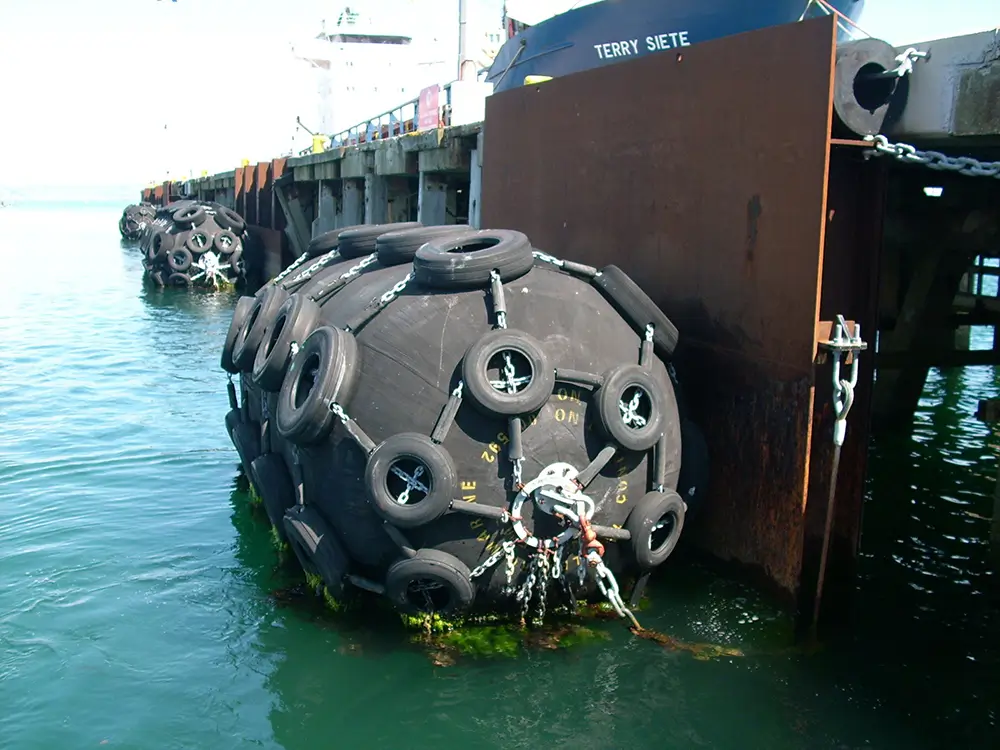
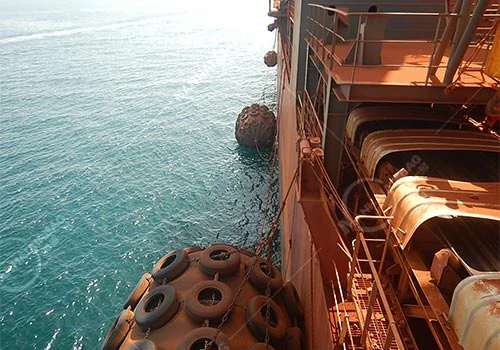
When two vessels come alongside each other, fenders are placed between their hulls to absorb impact energy and prevent damage.
Among various types of marine fenders, pneumatic fenders are widely used in ship-to-ship transfer operations.
Pneumatic fenders provide several key advantages:
- High energy absorption capacity
- Low reaction force on vessel hulls
- Excellent performance in rough sea conditions
- Quick installation and repositioning
These features make pneumatic rubber fenders one of the most reliable solutions for STS operations worldwide.
By maintaining safe spacing between vessels and reducing impact forces, high-quality fenders help ensure stable operations and improved transfer efficiency.
7. Conclusion
Ship-to-ship transfer is an essential operation in global maritime logistics. Depending on cargo type, volume, and environmental conditions, most STS transfers typically take between 6 and 24 hours.
Efficient planning, experienced crews, reliable pumping systems, and high-quality marine equipment—especially pneumatic fenders—all play a key role in ensuring safe and efficient operations.
As global maritime trade continues to expand, ship-to-ship transfer will remain a critical solution for moving cargo quickly and safely across the world’s oceans.
FAQ
How long does a typical ship-to-ship transfer take?
Most ship-to-ship transfers take between 6 and 24 hours, depending on cargo volume, pumping capacity, and weather conditions.
What types of cargo are transferred using STS operations?
Common cargo types include crude oil, petroleum products, LNG, LPG, and bulk commodities.
Why are fenders used during ship-to-ship transfers?
Fenders are used to protect vessel hulls and absorb impact energy when ships are positioned alongside each other.
What are the most common fenders used in STS operations?
Pneumatic rubber fenders are among the most widely used because they provide high energy absorption and excellent performance in offshore environments.