


What Is an Anchor Chain? A Simple Guide for Ships and Ports
03/25/2026What Tools Are Used in Ship Building?
04/01/2026Port Congestion Surge: What It Means for Shipping and Maritime Operations
Introduction
Global port congestion has reached unprecedented levels in early 2026, with major container hubs experiencing unprecedented delays. According to Lloyds List, container ships waiting times at key ports have increased by 40% compared to 2024 levels. This crisis is reshaping maritime logistics and creating new challenges for vessel berthing operations.
This article explores the causes and impacts of port congestion, and how the right fendering solutions can help ports and operators navigate these challenging conditions.
What Happened
Since late 2025, major global ports including Singapore, Rotterdam, and Los Angeles have experienced severe congestion. Multiple factors have converged to create this perfect storm:
- Container Volume Surge: Global trade recovery has driven container volumes beyond port capacity
- Labor Disruptions: Ongoing workforce challenges at key hubs
- Ship Size Increases: Larger vessels create bottlenecks during berthing operations
- Infrastructure Lag: Port upgrades have not kept pace with demand growth
As reported by TradeWinds, the average waiting time for a container ship at Singapore now exceeds 5 days, compared to 2 days in 2024.
Why It Matters for Shipping
The congestion crisis creates cascading effects throughout the maritime industry:
Increased Vessel Turnaround Time
Delays at port mean ships spend more time waiting to berth, reducing their operational efficiency and increasing charter costs.
Higher Operational Costs
Each day of delay adds significant costs through fuel consumption, crew expenses, and potential cargo damage. According to gCaptain, the average cost of delay for a large container vessel now exceeds $150,000 per day.
Increased Pressure on Port Infrastructure
With more vessels competing for limited berthing slots, ports are experiencing higher wear and tear on their infrastructure, including fendering systems.
Key Risks for Berthing Operations
Under congested conditions, berthing operations face elevated risks:
- Higher Collision Risk: Vessels may need to berth in tighter windows, increasing the risk of contact incidents
- Infrastructure Stress: Heavy vessel traffic accelerates fender wear and requires more frequent maintenance
- Safety Concerns: Rushed berthing operations can compromise safety for crew and port workers
Port operators are increasingly focused on optimizing their marine fender systems to handle higher traffic volumes safely.
Practical Solutions for Port Operators
As ports work to manage congestion impacts, investing in quality fendering solutions becomes critical:
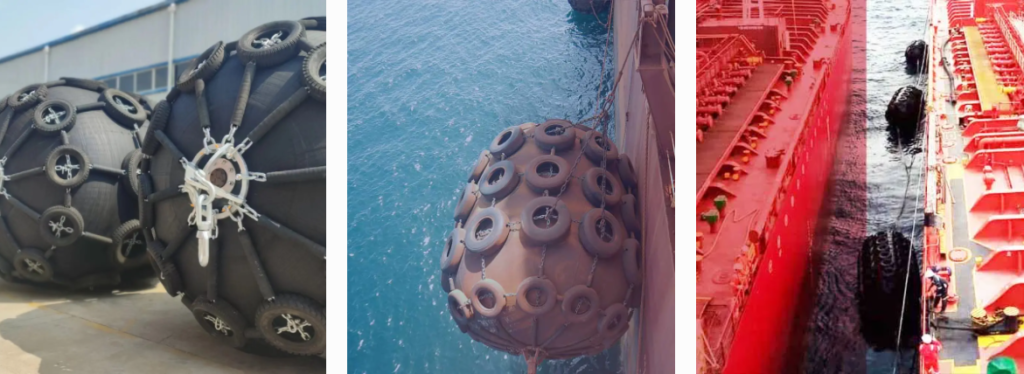
1. Upgrade to High-Performance Pneumatic Fenders
For ports handling large vessels and high traffic volumes, upgrading to 80 kPa high-performance pneumatic fenders provides superior energy absorption and faster vessel recovery. These fenders are specifically designed for demanding STS (ship-to-ship) operations and heavy-use port applications.
2. Implement Regular Fender Maintenance
Preventive maintenance is essential. Regular inspection and pressure checks extend fender life and ensure reliable performance. Ports should establish weekly inspection schedules for active fenders and monthly checks for stored units.
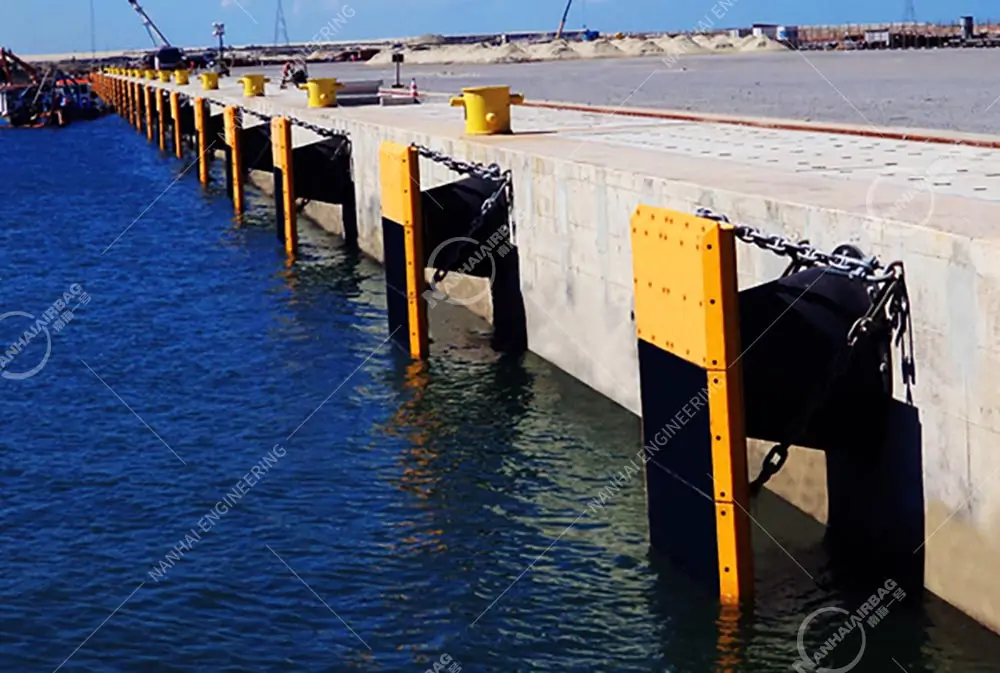
3. Consider Heavy-Duty Rubber Fender Systems
For permanent berths experiencing high traffic, Super Cone Rubber Fenders and Super Cell Fenders offer excellent durability and energy absorption with minimal maintenance requirements.

4. Optimize Berthing Procedures
Well-maintained fendering systems enable safer, faster berthing operations, helping ports maximize their throughput despite congestion challenges.
Future Outlook
Industry analysts expect port congestion to persist through 2026, with gradual improvement possible as port expansion projects come online. According to Seatrade Maritime, major port investments totaling over $50 billion are planned globally through 2028.
For port operators, this means:
- Continued pressure on existing infrastructure
- Growing demand for durable, low-maintenance fendering solutions
- Increased focus on operational efficiency and safety
FAQ
What causes port congestion?
Port congestion results from a combination of factors: sudden spikes in cargo volumes, labor shortages, infrastructure limitations, and vessel size increases that outpace port capacity.
How does port congestion affect shipping costs?
Delays add significant costs through increased fuel consumption, longer charter periods, crew expenses, and potential cargo demurrage charges.
What equipment is critical for efficient berthing operations?
Quality marine fenders are essential. Pneumatic fenders offer flexibility and excellent energy absorption, while rubber fenders provide durability for permanent installations.
How can ports reduce fender maintenance costs?
Regular inspection, proper storage, and maintaining correct pressure levels can extend fender life to 8-12 years, reducing long-term costs.
What role do fenders play in port efficiency?
Reliable fendering enables safe, efficient vessel berthing, maximizing port throughput and reducing operational delays.
Conclusion
Global port congestion presents significant challenges for the shipping industry, but ports that invest in quality fendering solutions and preventive maintenance can mitigate operational risks and maintain efficiency.
As the industry navigates these challenging times, having reliable, well-maintained fender systems becomes more critical than ever. Whether you need high-performance pneumatic fenders for dynamic operations or heavy-duty rubber fenders for permanent berths, proper fendering solutions are essential for safe and efficient port operations.
For personalized recommendations on fendering solutions for your port, contact our team of experts today.