


What Tools Are Used in Ship Building?
04/01/2026Cone Rubber Fender: Key Advantages in Marine Docking Operations
04/15/2026Types of Marine Salvage: A Practical Guide to Modern Salvage Operations
Introduction: Why Marine Salvage Matters
Ships move most of the world’s goods. But accidents still happen. A vessel can run aground, collide, catch fire, or even sink. When that happens, marine salvage teams step in.
Marine salvage is not just about saving a ship. It protects the environment, keeps ports open, and reduces financial loss. As global shipping grows, the need for fast and reliable salvage services is rising.
What Is Marine Salvage?
Marine salvage means recovering a damaged ship, its cargo, or both. The goal is simple: save what can be saved and reduce risk.
Salvage teams focus on three things. First, they try to stop pollution, especially oil spills. Second, they protect the value of the ship and cargo. Third, they make sure shipping lanes stay open.
In many cases, salvage work follows the rule of “no cure, no pay.” This means the salvage company only gets paid if the job is successful.
Main Types of Marine Salvage
1. Emergency Salvage
Emergency salvage happens when a ship is in immediate danger. This could be due to engine failure, storms, or fire.
Time is critical. Salvage teams must act fast to stabilize the vessel. Tugboats are often used to tow the ship to safety. The main goal is to prevent the situation from getting worse.
2. Wreck Removal and Refloating
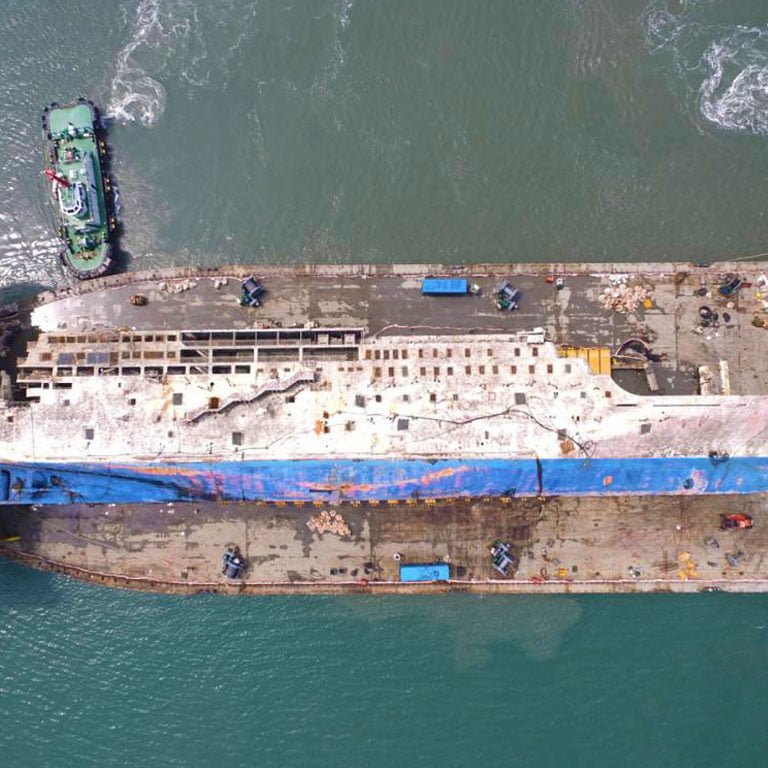
This type of salvage deals with ships that are stuck or sunk. A grounded vessel must be refloated. A sunken vessel may need to be lifted or broken apart.
There are several methods used in refloating:
- Removing cargo to reduce weight
- Pumping water out of flooded compartments
- Adding external buoyancy
One of the most effective tools today is ship launching airbags. These large rubber airbags are placed under the vessel. When inflated, they lift the ship and help it move back into the water.
This method is widely used in Asia and is gaining attention worldwide because it is simple, cost-effective, and does not require heavy cranes.

3. Obstruction Removal
Sometimes a wreck blocks a busy port or channel. In these cases, the ship must be removed quickly.
This type of salvage is often managed by port authorities. The focus is not on saving the ship, but on clearing the path for other vessels. Speed and safety are the top priorities.
4. Environmental Salvage
Environmental salvage focuses on preventing pollution. This is especially important in oil tanker accidents.
Salvage teams may:
- Contain oil spills
- Remove hazardous cargo
- Stabilize damaged tanks
Strict international rules mean this type of salvage is now a key part of most operations.
5. Cargo Salvage
Cargo salvage is about recovering valuable goods. Even if a ship is badly damaged, the cargo may still be saved.
Containers, bulk materials, and oil products are often recovered. The value of the cargo can make this type of salvage highly profitable.
Salvage Contracts: How the Work Is Paid
There are several common contract types in marine salvage.
The first is “no cure, no pay.” If the salvage fails, there is no payment. This pushes teams to take risks but also to work efficiently.
Another type is the lump sum contract. Here, a fixed price is agreed in advance. This works well for jobs with lower risk.
A widely used agreement is the Lloyd’s Open Form (LOF). It is flexible and often used in emergency situations.
Key Equipment in Marine Salvage
Marine salvage relies on a mix of heavy equipment and smart techniques.
Tugboats are used for towing and positioning. Floating cranes help lift heavy sections of wrecks. Divers inspect damage and attach lifting gear.
In recent years, marine airbags have become an important tool. They are light, easy to transport, and quick to deploy. In refloating operations, they can replace more expensive equipment and reduce project time.
Global Trends and Challenges
Marine salvage is changing as ships become larger and more complex. A modern tanker or container ship is much harder to recover than older vessels.
Environmental rules are also stricter. Salvage teams must act quickly to prevent pollution, which adds pressure to every operation.
At the same time, extreme weather and regional conflicts are increasing risks at sea. This means more demand for skilled salvage teams and reliable equipment.
Conclusion: The Future of Marine Salvage
Marine salvage plays a key role in global shipping. It keeps trade moving and protects the oceans.
As technology improves, tools like ship launching airbags will become more common. They offer a simple and effective way to handle complex salvage jobs.
In the future, faster response times and better equipment will define success in this challenging field.
FAQ
What is marine salvage?
Marine salvage is the process of recovering damaged ships or cargo and preventing further loss or pollution.
What are the main types of marine salvage?
The main types include emergency salvage, wreck removal, obstruction removal, environmental salvage, and cargo salvage.
How does “no cure, no pay” work?
Salvage companies only get paid if they successfully complete the operation.
What equipment is used in marine salvage?
Common equipment includes tugboats, cranes, diving systems, and ship launching airbags.
Can airbags be used in salvage operations?
Yes. Ship launching airbags are widely used to refloat grounded vessels in a safe and cost-effective way.