


Practical Factors to Consider When Selecting Marine Fender Systems for Port Operations
02/09/2026How Do Foam Fenders Protect Ships?
02/26/2026Understanding Floating Fenders – How Do They Work?
When large ships dock at ports, they do not simply “park” like cars. Even at low speed, a ship can weigh thousands of tons. If it hits a dock directly, the impact can cause serious damage to both the vessel and the port structure.
This is where floating fenders play an important role.
Floating fenders are specially designed marine safety devices that absorb the energy created when ships berth (dock). They act like giant cushions between ships and docks—or even between two ships. In this article, we will explain what floating fenders are, how they work, their main types, and why they are essential in modern marine operations.
What Are Floating Fenders?
A floating fender is a marine protective device that floats on water and absorbs impact energy during ship berthing operations. Unlike fixed rubber fenders that are permanently attached to a quay wall, floating fenders move with the water level.
They are widely used in:
- Commercial ports and harbors
- Oil and gas terminals
- Ship-to-ship (STS) transfer operations
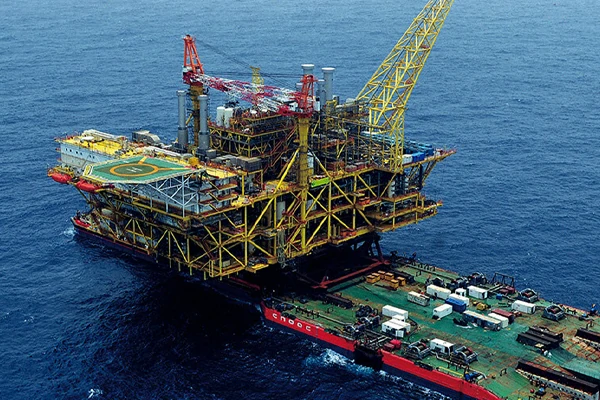
- Offshore platforms
- Naval bases
Because they float, they automatically adjust to tidal changes. This makes them highly flexible and reliable in different water conditions.
Main Types of Floating Fenders
There are three main types of floating fenders used around the world.
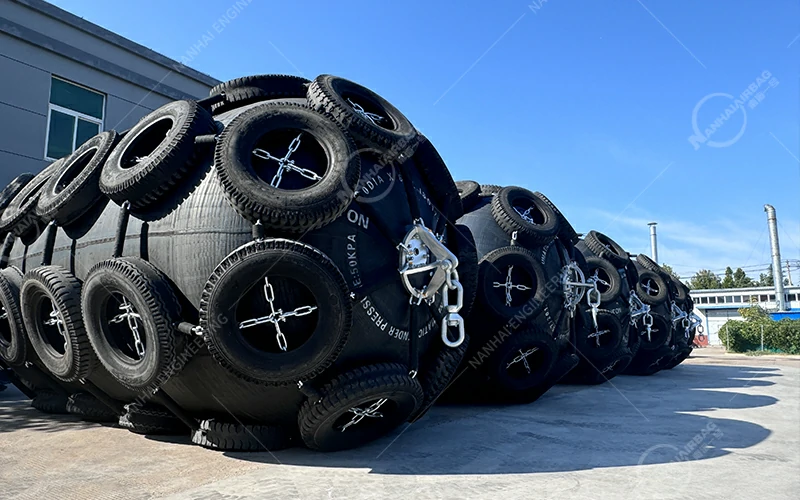
1. Pneumatic Floating Fenders (Yokohama Type)
These are air-filled rubber fenders. Inside the fender is compressed air. When a ship presses against it, the air compresses and absorbs the energy.
Key features:
- High energy absorption
- Low reaction force
- Suitable for ship-to-ship operations
- Easy to install and relocate
They are often called Yokohama fenders, named after the Japanese company that first developed them.
2. Foam-Filled Floating Fenders
Instead of air, these fenders are filled with closed-cell foam. Even if the outer rubber layer is damaged, the foam filled fender will not sink.
Key features:
- Unsinkable design
- Low maintenance
- High durability
- Good for permanent installations
They are often used in ports where extra safety is required.
3. Hydro-Pneumatic Fenders
These hydro pneumatic fenders contain both air and water inside. They are commonly used for submarines or special vessels.
Key features:
- Designed for underwater hull shapes
- Suitable for naval applications
- Adjustable buoyancy

Key Components of Floating Fenders
Although designs may vary, most floating fenders have similar parts.
1. Outer Rubber Layer
The outer layer is made of strong, wear-resistant rubber. It protects the fender from:
- Abrasion
- Seawater corrosion
- Harsh weather
- UV exposure
This layer must be durable because it directly contacts ships.
2. Reinforcement Layer
Inside the rubber shell is a reinforcement layer made of synthetic tire cord or strong fiber materials. This layer gives the fender structural strength and helps it handle high internal pressure.
3. Inner Core
This is the energy-absorbing center:
- Compressed air (pneumatic type)
- Closed-cell foam (foam-filled type)
- Air and water mixture (hydro-pneumatic type)
This core is what allows the fender to compress and absorb impact safely.
4. End Fittings and Chain-Tire Net
Most pneumatic fenders include:
- Steel flanges
- Safety valves
- Chain and tire net protection
The chain-tire net protects the rubber surface from sharp objects and heavy friction.
How Do Floating Fenders Work?
Now let’s look at the science behind floating fenders.
Step 1: Ship Approaches the Dock
When a ship moves toward a dock, it carries kinetic energy. Even at slow speeds, the energy is very large because of the ship’s weight.
The formula for kinetic energy is:
Energy = ½ × mass × velocity²
Since ships have huge mass, even small speeds create significant energy.
Step 2: Fender Compression
When the ship touches the floating fender:
- The rubber surface deforms
- The internal air or foam compresses
- The impact energy is absorbed
In pneumatic fenders, the air pressure increases as it compresses. This creates resistance, which slows the ship safely.
Step 3: Energy Distribution
Floating fenders are designed to:
- Absorb maximum energy
- Produce low reaction force
Reaction force is the force pushed back onto the ship and dock. Lower reaction force reduces structural damage.
This balance between high energy absorption and low reaction force is what makes floating fenders effective.
Step 4: Self-Adjusting Movement
Because floating fenders are not fixed rigidly to the dock:
- They move with the tide
- They adjust to different ship sizes
- They float at the correct contact height
This flexibility improves safety and performance.
Advantages of Floating Fenders
Floating fenders offer many benefits compared to traditional fixed systems.
1. High Energy Absorption
They are designed specifically to handle large vessels, including tankers and LNG carriers.
2. Low Reaction Force
This reduces stress on:
- Ship hulls
- Concrete quay walls
- Steel dock structures
3. Easy Installation
They can be:
- Installed quickly
- Relocated easily
- Used temporarily
This is especially useful for emergency or temporary berthing operations.
4. Long Service Life
With proper maintenance, floating fenders can last 10–15 years or more.
5. Suitable for Ship-to-Ship Operations
In offshore oil transfer operations, two ships may dock side by side. Floating fenders provide safe cushioning between them.
Where Are Floating Fenders Used?
Floating fenders are widely used in many marine industries.
Commercial Ports
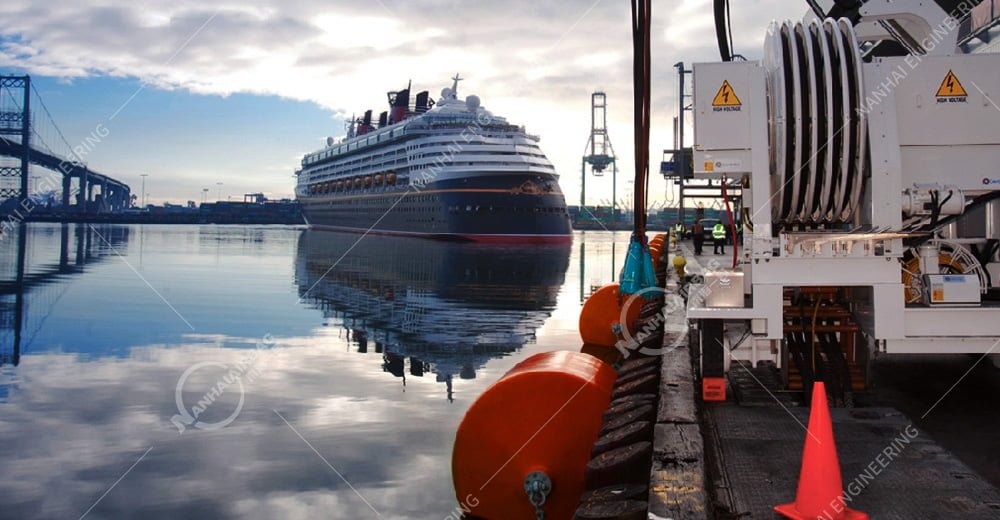
They protect container ships, bulk carriers, and cruise ships during docking.
Oil and Gas Terminals
Large tankers require reliable energy absorption systems.
Offshore Platforms
They help protect floating production storage and offloading units (FPSOs).
Naval Bases
Hydro-pneumatic fenders are often used for submarines.
Maintenance and Safety Tips
To ensure long service life, regular inspection is important.
For pneumatic fenders:
- Check internal air pressure regularly
- Inspect safety valves
- Examine surface wear
For foam-filled fenders:
- Inspect outer coating
- Check for cracks or tears
Proper storage and correct installation are also essential.
Conclusion
Floating fenders are essential safety devices in modern marine operations. They protect ships, docks, and offshore structures by absorbing massive impact energy during berthing.
By using compressed air or foam, these floating systems act like powerful cushions. Their ability to float and adjust with water levels makes them more flexible than traditional fixed fenders.
As global shipping continues to grow, floating fenders will remain a key part of safe and efficient port operations.
FAQ
1. What is the difference between pneumatic and foam-filled floating fenders?
Pneumatic fenders use compressed air to absorb energy, while foam-filled fenders use closed-cell foam. Pneumatic fenders offer adjustable pressure, while foam-filled fenders are unsinkable and require less maintenance.
2. How long do floating fenders last?
With proper maintenance, floating fenders typically last between 10 and 15 years, depending on usage conditions and environment.
3. Why are floating fenders better for tidal areas?
Because they float on water, they automatically adjust to rising and falling tide levels, ensuring proper contact with ships at all times.
4. Are floating fenders safe for large oil tankers?
Yes. They are specifically designed to handle high-energy impacts from large vessels such as crude oil tankers, LNG carriers, and bulk ships.
5. How do you maintain a pneumatic floating fender?
Maintenance includes checking air pressure regularly, inspecting rubber surfaces for damage, and ensuring chain and tire nets remain secure.