


How to Avoid Ship Launching Risks – Ship Launching Airbags
12/12/2025What Type of Fender Is Suitable for a Low Hull Water Level System?
12/16/2025Corrosion-Resistant Polyurethane for Foam Filled Fenders
Corrosion Resistance of the Polyurethane Outer Layer on Foam Filled Fenders
Foam filled fenders work in some of the harshest marine environments. They stay in seawater for years and face salt spray, oil, and constant exposure. Because of this, the polyurethane outer layer plays a key role. Its corrosion resistance protects the fender and keeps it working safely over time.
Polyurethane as a Corrosion-Resistant Protective Layer
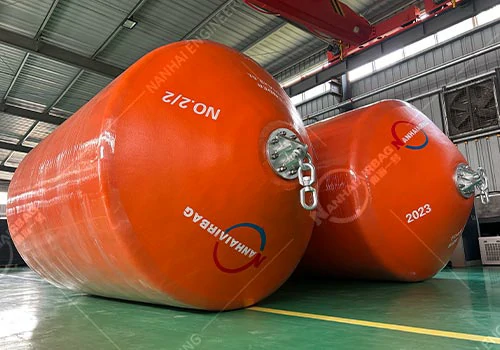
The polyurethane outer layer acts as a strong protective skin. It does not absorb water and stays chemically stable in marine conditions. This stability helps the fender resist corrosion and prevents early surface damage.
Unlike many traditional coatings, polyurethane keeps its structure even after long exposure to seawater and air. This makes it a reliable choice for foam filled fenders used in ports and offshore areas.
Resistance to Seawater and Salt Spray
Seawater and salt spray are the main causes of corrosion in marine equipment. Polyurethane handles both very well. Its dense surface blocks salt penetration and slows down material aging.
Even in tidal zones, where fenders face wet and dry cycles, the polyurethane layer remains intact. This helps reduce cracking, peeling, and surface breakdown over time.
Resistance to Oil and Chemical Exposure
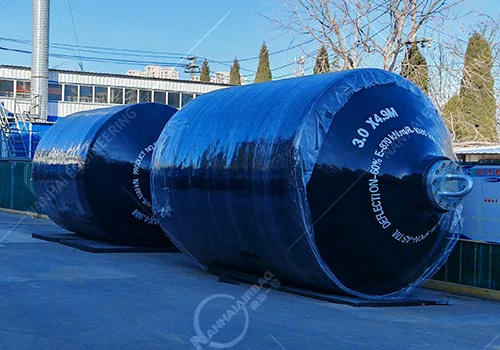
Ports and terminals often have oil, fuel, and other chemicals in the water. The polyurethane outer layer shows strong resistance to these substances. It does not soften easily and keeps its protective function after contact with oil or fuel.
This resistance is important for foam filled fenders used in ship-to-ship operations, oil terminals, and industrial ports, where chemical exposure is common.
Resistance to Marine Biological Corrosion
Marine growth can damage many surface materials over time. Polyurethane resists biological corrosion by limiting the impact of algae and marine organisms on the surface.
Because the outer layer stays smooth and stable, it reduces long-term surface damage caused by biological activity. This helps maintain consistent performance in coastal and offshore environments.
How Corrosion Resistance Improves Long-Term Performance
A corrosion-resistant outer layer protects the internal foam core. When the surface stays intact, water cannot reach the foam, and the fender keeps its buoyancy and energy absorption ability.
This means fewer repairs, lower maintenance costs, and a longer service life. For ports and operators, this translates into better safety and more reliable fender performance over the years.
FAQ
1. Why is corrosion resistance important for foam filled fenders?
Corrosion resistance helps protect the fender surface from seawater, salt, oil, and chemicals. This keeps the internal foam safe and extends the fender’s service life.
2. Can polyurethane resist long-term seawater exposure?
Yes. Polyurethane stays stable in seawater and resists salt penetration, even during long-term use in marine environments.
3. How does the polyurethane outer layer handle oil and fuel?
The polyurethane layer resists oil and fuel well. It does not soften easily and keeps its protective properties after chemical contact.
4. Does marine growth affect polyurethane outer layers?
Marine growth has limited impact on polyurethane. The material resists biological corrosion and helps reduce surface damage over time.
5. Does better corrosion resistance reduce maintenance needs?
Yes. A durable polyurethane outer layer lowers the risk of surface damage, which reduces maintenance frequency and costs.